When Avelyn first started building her minimalist summer wardrobe, she assumed all “linen tops” were basically the same. A light, breathable fabric, perfect for hot weather — what else was there to think about? But after buying a few pieces labeled “linen blend” and others labeled “100% linen,” she quickly realized something important: not all linen is created equal. That’s where the real question begins — Cotton Linen Tops vs 100% Linen Tops (Which Is Better?)
At first glance, they may look similar. Both are natural, breathable fabrics often used in summer fashion. But when you go deeper into fabric composition, breathability, comfort, durability, maintenance, price, and style, the differences become very clear. In this guide, we’ll break down everything you need to know — using real-world comparisons, fabric science, and styling insights — so you can confidently choose the right option for your wardrobe, whether you’re looking for everyday comfort or elevated minimalist fashion.
What Are Cotton Linen Tops?
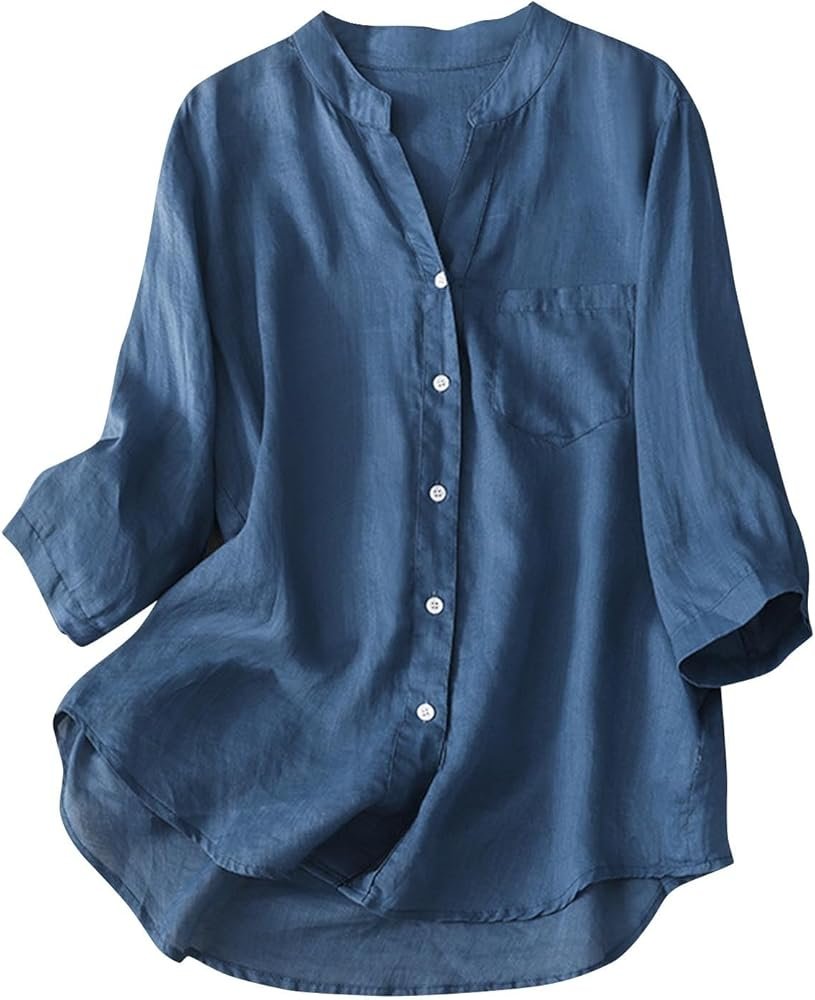
Cotton linen tops are made from a blended fabric that combines cotton and linen fibers in different ratios, commonly 70/30, 55/45, or 50/50. The purpose of this blend is to balance cotton’s softness with linen’s breathability, creating a more practical fabric for everyday wear. Cotton linen blends are widely used in summer fashion because they offer a balanced mix of comfort, durability, and affordability.
- Softer Immediate Feel: Compared to pure linen, cotton linen tops feel softer from the first wear. They require little to no breaking-in, making them more comfortable for daily use and more suitable for those who prefer a smooth, less textured fabric.
- Reduced Wrinkling: The addition of cotton helps minimize the sharp wrinkling typical of linen. While not wrinkle-free, cotton linen tops maintain a neater appearance throughout the day, making them more practical for work or casual outings.
- Affordable Pricing: Because cotton is less expensive to produce than linen, cotton linen blends are generally more budget-friendly. This makes them an accessible option for seasonal wardrobes and everyday basics.
- Everyday Versatility: Cotton linen tops are easy to style across multiple settings, including casual wear, office-casual outfits, travel, and daily summer looks, thanks to their balanced structure.
Cotton linen tops are essentially a practical blend designed for comfort, ease of care, and versatility, making them a reliable everyday option in warm-weather wardrobes.
What Are 100% Linen Tops?
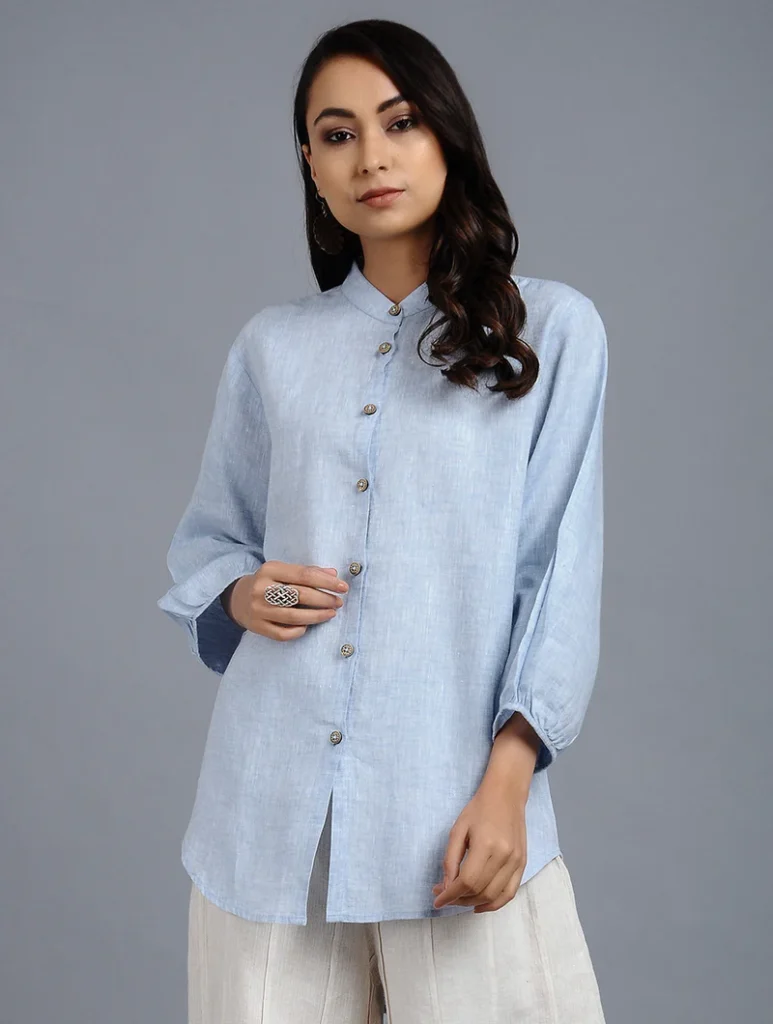
100% linen tops are crafted entirely from flax plant fibers, without any blending with cotton or synthetic materials. This purity in composition is what positions linen as one of the most natural, breathable, and premium fabrics used in fashion, especially in warm-weather clothing.
Exceptional Breathability and Climate Comfort
Linen is widely recognized for its superior airflow and moisture management. The natural structure of flax fibers allows heat to escape efficiently, making it particularly suitable for hot and humid environments.
- Allows continuous air circulation through the fabric
- Helps regulate body temperature in high heat
- Performs especially well in tropical or coastal climates
This level of breathability is one of the main reasons linen consistently appears in summer-focused and resort-inspired collections.
Natural Texture and Effortless Drape
Pure linen carries a distinctive visual and tactile identity that sets it apart from smoother blended fabrics. Rather than aiming for uniformity, it embraces a natural, slightly irregular structure.
- Visible natural texture with subtle fiber variations
- Characteristic relaxed wrinkles that define its aesthetic
- Soft, fluid drape that enhances effortless styling
This “lived-in elegance” is often considered part of linen’s luxury appeal, especially within minimalist fashion trends.
Premium Fabric Positioning
In the fashion industry, 100% linen is frequently associated with higher-end, intentional wardrobe choices. It reflects both material quality and lifestyle preference.
- Common in minimalist and capsule wardrobes
- Often used in sustainable or eco-conscious collections
- Positioned as a premium alternative to blended fabrics
Its value lies not only in appearance, but also in how it aligns with conscious and long-term fashion consumption.
Long-Term Durability and Aging Quality
One of linen’s most overlooked strengths is its ability to improve over time. Unlike many fabrics that degrade with use, linen evolves positively with wear and washing.
- Becomes softer without losing structural integrity
- Fibers strengthen over repeated washes
- Can last for years when properly maintained
This aging process makes linen less of a seasonal purchase and more of a long-term wardrobe investment.
Cotton Linen Tops vs 100% Linen Tops (Side-by-Side Comparison)
A direct comparison highlights how each fabric serves a different purpose, depending on lifestyle needs, climate, and style preference.
Fabric Composition & Feel
Fabric structure plays the most fundamental role in how each material performs. Cotton linen blends combine the softness of cotton with the texture of linen, resulting in a more uniform, smoother surface. This makes the fabric feel immediately comfortable and easy to wear.
100% linen, on the other hand, retains a more organic texture, with a slightly crisp hand feel and visible natural fiber variation.
- Cotton linen: smoother, more controlled, immediately soft
- 100% linen: textured, airy, naturally structured
Cotton linen favors immediate comfort, while linen emphasizes authenticity and material character.
Breathability & Comfort
Breathability is where the performance gap becomes more noticeable. Cotton linen blends remain breathable but are slightly moderated by the cotton component, which reduces airflow to some extent while improving softness.
Pure linen delivers maximum airflow, making it one of the most efficient natural fabrics for heat dissipation.
- Cotton linen: breathable, balanced for everyday comfort
- 100% linen: highly breathable, optimal for heat and humidity
Linen clearly leads in extreme weather performance.
Wrinkles & Maintenance
Wrinkling behavior often influences purchase decisions in everyday wear. Cotton linen blends are more stable in structure, resulting in fewer visible creases and a more polished appearance throughout the day. They are easier to maintain with minimal effort.
100% linen naturally wrinkles due to its fiber structure, but these creases are often considered part of its aesthetic identity rather than a flaw.
- Cotton linen: lower maintenance, neater appearance
- 100% linen: natural wrinkling, relaxed visual style
Preference depends on whether a clean or natural finish is desired.
Durability & Longevity
Long-term wear performance highlights a different kind of value. Cotton linen blends offer moderate durability but may weaken over time due to cotton’s fiber behavior under repeated washing. Pure linen is known for its strength and resilience, often becoming softer while maintaining or improving durability over years of use.
- Cotton linen: suitable for seasonal, regular wear
- 100% linen: long-term investment fabric
Linen provides stronger longevity overall.
Price & Value
Pricing reflects both material cost and production complexity. Cotton linen blends are more accessible, making them suitable for building versatile wardrobes without significant investment. 100% linen sits in a higher price category due to raw material cost and processing standards, but offers stronger long-term value.
- Cotton linen: budget-friendly, practical entry point
- 100% linen: premium pricing, long-term investment
Style & Aesthetic
Aesthetic direction is often the deciding factor for many buyers. Cotton linen blends lean toward a more structured and versatile appearance, suitable for everyday styling and semi-formal settings. 100% linen is strongly associated with relaxed, minimalist fashion, often used in vacation, resort, and effortless summer looks.
- Cotton linen: structured, versatile, everyday-friendly
- 100% linen: relaxed, minimalist, naturally elegant
Cotton linen focuses on adaptability, while linen emphasizes visual identity and mood.
Which Is Better for Hot Weather?
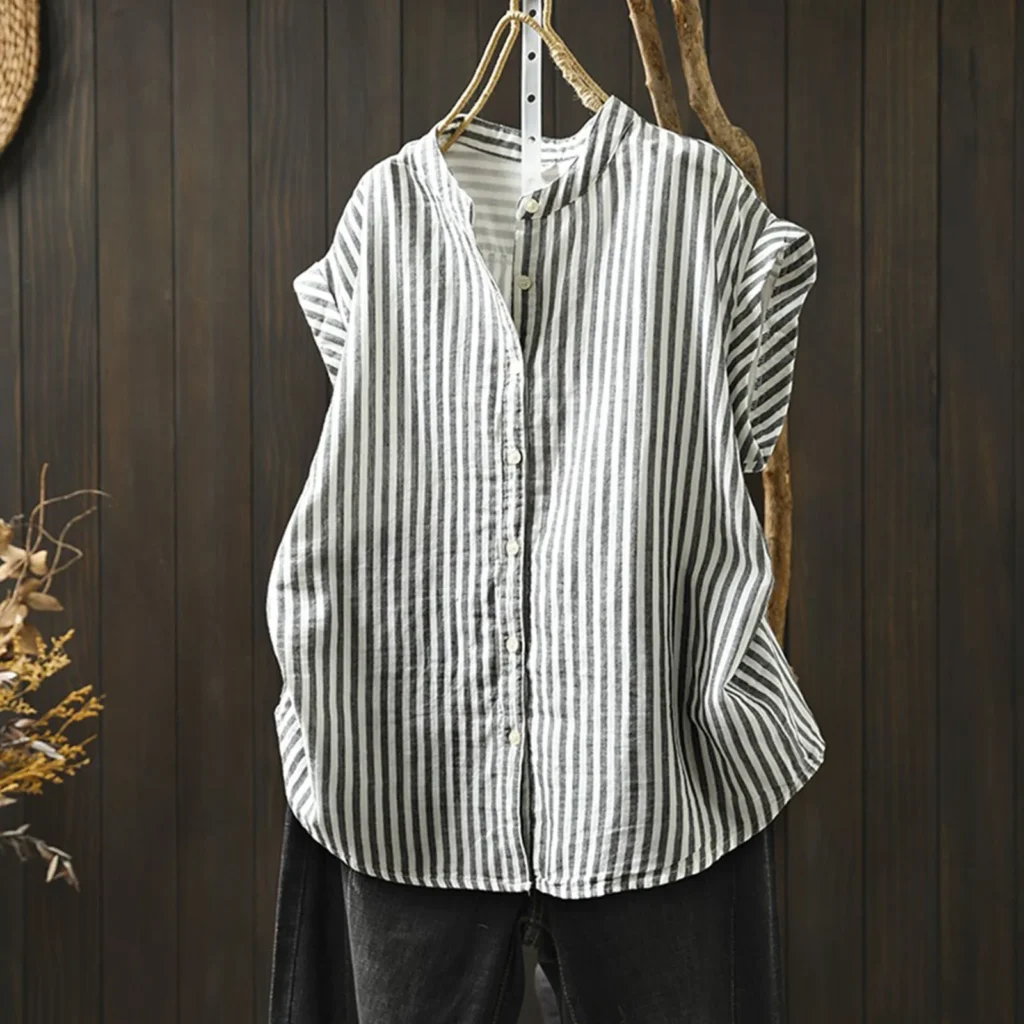
For warm-season wardrobes, fabric performance under heat and humidity becomes the most important deciding factor, especially when evaluating natural fibers like cotton linen blends and pure linen.
- Cotton linen blends offer a balanced level of breathability suitable for general summer conditions. They perform well in moderate heat, providing comfort without feeling overly airy or delicate. However, the presence of cotton slightly reduces airflow compared to pure linen, making them more suited for everyday city wear rather than extreme climates.
- 100% linen, by contrast, is widely regarded as one of the most effective natural fabrics for hot and humid environments. Its loose fiber structure allows continuous air circulation, helping regulate body temperature even in intense heat. This makes it especially ideal for tropical weather, travel destinations, and high-humidity regions where cooling efficiency is essential.
Linen is the stronger choice for extreme heat and humidity. Cotton linen is more suitable for balanced, everyday summer comfort.
Pros and Cons Summary
Understanding strengths and limitations helps clarify which fabric aligns better with different wardrobe needs.
Cotton Linen Tops
Pros:
- Soft, comfortable feel from first wear
- Reduced wrinkling compared to pure linen
- More affordable and accessible
- Easy integration into daily outfits
Cons:
- Lower breathability in extreme heat
- Moderate durability over long-term use
- Less premium and textured aesthetic
100% Linen Tops
Pros:
- Exceptional breathability and cooling performance
- High durability with long-term wear
- Eco-friendly and biodegradable
- Premium, minimalist visual appeal
Cons:
- Naturally wrinkles more easily
- Higher price point
- Slightly crisp texture at first wear
Which Should You Choose? (Decision Guide)
The decision between cotton linen and 100% linen is best understood through lifestyle and environmental context rather than fabric superiority alone.
Choose Cotton Linen Tops If:
- Low-maintenance clothing is preferred
- Softer, smoother fabric feel is important
- Budget-friendly wardrobe building is a priority
- Daily wear leans toward casual or urban settings
Choose 100% Linen Tops If:
- Living in hot or humid climates
- Preference for minimalist, natural aesthetics
- Breathability and cooling performance are key priorities
- Focus on long-term wardrobe investment pieces
Styling Tips for Both Fabrics
Styling direction plays a significant role in how each fabric performs visually within an outfit.
Cotton Linen Tops Styling Approach:
Cotton linen tops work well in structured, everyday combinations where versatility is essential. Their smoother finish allows them to transition easily between casual and semi-polished looks.
- Paired with denim for relaxed everyday outfits
- Styled with tailored trousers for smart-casual balance
- Combined with sneakers for practical comfort-driven looks
100% Linen Tops Styling Approach:
Pure linen aligns strongly with relaxed, intentional styling, often associated with minimalist and resort-inspired wardrobes. The natural drape enhances effortless visual appeal.
- Paired with linen trousers for tonal, monochrome styling
- Oversized silhouettes for resort or vacation aesthetics
- Styled with sandals for light, breathable summer outfits
The optimal choice ultimately depends on climate conditions, lifestyle demands, and desired styling direction, rather than a universal “better” fabric.
Care Tips: Linen vs Cotton Linen
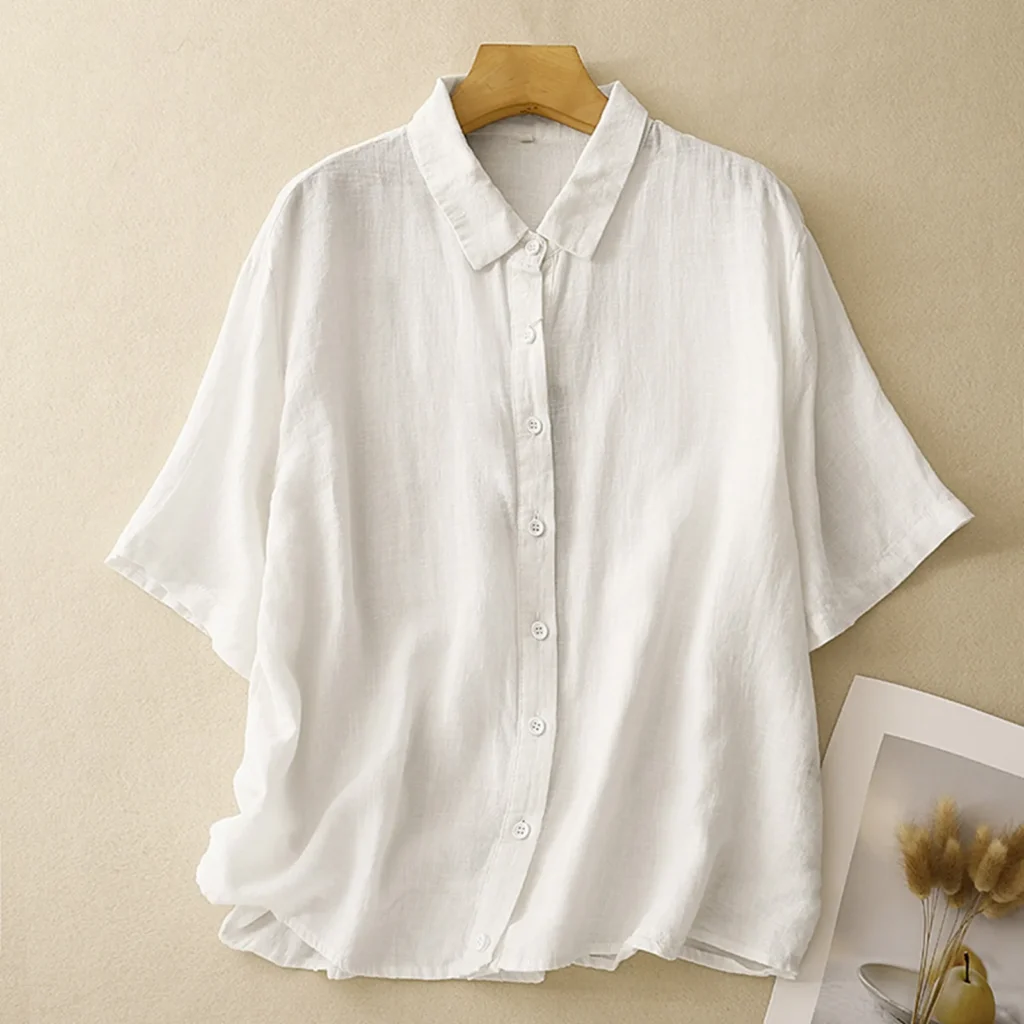
Proper care plays a significant role in maintaining the appearance, texture, and longevity of both cotton linen blends and 100% linen garments. While both fabrics are relatively low-maintenance compared to synthetic textiles, they do respond differently to washing and handling due to their fiber composition.
Washing Guidelines
Both cotton linen and pure linen perform best under gentle washing conditions that preserve fiber integrity over time.
- Cold water is recommended to prevent fiber stress and shrinkage
- A gentle cycle helps maintain fabric structure and surface quality
- Harsh detergents should be avoided as they can weaken natural fibers and reduce softness over time
These practices help maintain the natural breathability and durability of both fabric types.
Drying Recommendations
Drying method has a direct impact on fabric texture and lifespan, particularly for linen-based materials.
- Air drying is preferred to preserve natural fiber strength
- High heat drying should be avoided as it can cause shrinkage and fiber brittleness
- Shaping garments while damp helps maintain natural drape
Cotton linen blends tend to dry slightly easier and hold their shape more consistently, while pure linen benefits more from gentle, natural drying conditions.
Maintenance & Finishing Care
Long-term fabric appearance is influenced more by finishing care than washing alone.
- Steaming is recommended over heavy ironing to maintain a natural finish
- Linen is best left with its natural texture rather than over-smoothed
- Cotton linen blends require less frequent maintenance due to reduced wrinkling
Cotton linen is generally easier to manage in everyday routines, while pure linen demands more mindful care but rewards consistency with improved texture and longevity over time.
FAQs about Cotton Linen Tops Vs 100% Linen Tops
A clearer understanding of common concerns helps highlight the practical differences between cotton linen blends and 100% linen fabrics.
Is linen cooler than cotton?
Yes. Linen is significantly more breathable due to its loose fiber structure, allowing better airflow and heat release, which makes it more effective in hot and humid climates.
Does linen wrinkle more than cotton?
Yes. Pure linen naturally develops more visible creasing than cotton or cotton blends. However, these wrinkles are considered part of its organic aesthetic rather than a flaw.
Is cotton linen blend good for summer?
Yes. Cotton linen blends offer a balanced performance for warm weather, combining moderate breathability with improved softness and reduced wrinkling, making them suitable for everyday summer wear.
Which fabric is more durable?
100% linen is generally more durable in the long term. Linen fibers strengthen with use and proper care, often outlasting cotton-based blends.
Is linen worth the price?
Yes, particularly for those prioritizing breathability, sustainability, and long-term wear value. While the initial cost is higher, linen’s durability and timeless aesthetic often justify the investment over time.
Conclusion
After comparing fabric composition, breathability, durability, maintenance, price, and style, there is no absolute winner—it depends on lifestyle and priorities. Cotton linen tops are ideal for those who value comfort, affordability, and easy care in everyday wear, while 100% linen tops stand out for superior breathability, sustainability, and a more timeless, premium aesthetic.
In most cases, having both in your wardrobe works best: cotton linen for practical daily outfits and 100% linen for elevated summer looks. As Avelyn discovered, the “better” choice isn’t about the fabric alone, but how well it aligns with your climate, lifestyle, and personal style