When Avelyn first picked up her sewing machine, she wasn’t aiming to become a fashion designer. She simply wanted breathable, effortless clothing she could wear during warm days without relying on fast fashion. That curiosity led her straight into the world of Sewing Patterns for Linen Tops, and everything changed from there.
Linen has a reputation for being both luxurious and intimidating—but the truth is, it’s one of the most beginner-friendly fabrics once you understand how it behaves. This guide is designed to walk you step-by-step through everything you need to know about linen top sewing patterns, from fabric selection to finishing techniques, so you can confidently create your own handmade wardrobe. Whether you’re searching for an easy linen blouse pattern, a relaxed fit linen shirt pattern, or a complete DIY linen top tutorial, this guide will help you start from zero and build real sewing confidence.
Understanding Linen Fabric Before You Sew
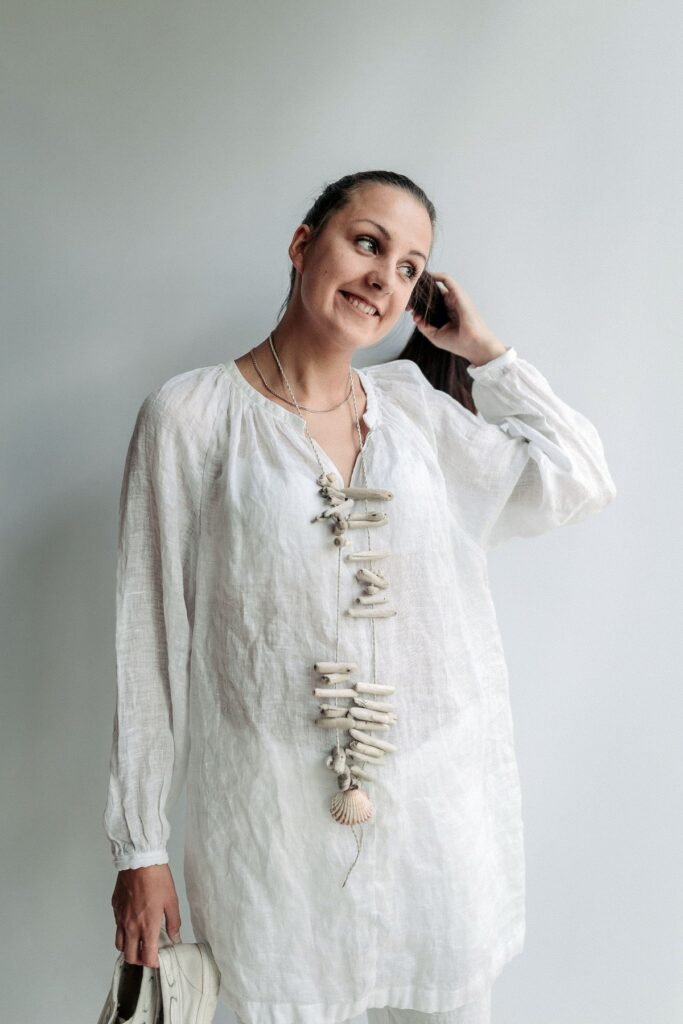
Before jumping into sewing patterns for linen tops, it’s important to understand the fabric itself. Linen is made from flax fibers and is known for its natural texture, breathability, and durability.
What Makes Linen Unique?
Linen stands out in the world of natural fabrics because:
- It is extremely breathable
- It absorbs moisture without feeling damp
- It becomes softer with every wash
- It is ideal for summer clothing
This is why summer linen tops patterns are so popular in modern slow fashion.
Why Linen Is Beginner-Friendly (and Sometimes Not)
While many people assume linen is difficult to sew, it actually becomes easy once you understand its behavior:
Advantages:
- Stable structure (doesn’t slip like silk)
- Easy to cut and shape
- Forgiving in loose-fit designs
Challenges:
- Frays easily at edges
- Wrinkles quickly
- Requires pressing during sewing
Learning how to manage these characteristics is key to mastering linen fabric sewing guides.
Best Linen Types for Beginners
If you’re just starting, choose:
- Washed linen (soft and pre-shrunk)
- Medium-weight linen (easiest to handle)
- Linen-cotton blends (less wrinkles, easier stitching)
Avoid very heavy or ultra-light linen for your first beginner sewing projects linen.
Essential Tools for Sewing Linen Tops
Working with easy sewing patterns for beginners becomes significantly smoother when the right tools are prepared from the start. Linen is a natural fiber with a slightly textured surface and a tendency to fray, so precision and control matter more than expensive equipment. With a well-chosen basic toolkit, even a first-time sewing project can achieve clean, professional-looking results.
Sewing Machine & Needles
A reliable setup at the machine level is the foundation of successful linen sewing.
- A standard universal sewing machine is sufficient for most linen top sewing patterns, including relaxed shirts and blouses. Advanced machines are not required at the beginner stage.
- Needle selection plays a critical role in fabric performance. For linen, size 80/12 or 90/14 needles are typically recommended depending on fabric weight.
- Sharp, high-quality needles reduce skipped stitches, prevent fiber pulling, and help maintain smooth seam lines—especially important when working with lightweight fabric sewing techniques.
A well-maintained machine combined with the correct needle size often makes a greater difference than upgrading equipment.
Cutting & Measuring Tools
Accuracy in cutting determines the overall success of any beginner-friendly sewing project, especially when working with structured patterns like linen tops.
- Fabric scissors designed exclusively for textiles. Using them on paper will dull the blade and compromise precision.
- A measuring tape for body measurements and pattern adjustments, ensuring proper fit in relaxed-fit linen blouse designs.
- A ruler or French curve, particularly useful for refining armholes, necklines, and curved seams in more detailed modern blouse sewing patterns.
- Fabric chalk or washable markers, which allow clear but temporary marking without damaging natural fibers.
Precision tools help translate a flat pattern into a wearable garment with accurate proportions and balanced structure.
Helpful Extras
Beyond the essentials, a few additional tools significantly improve workflow efficiency and final garment quality when working with printable sewing patterns linen tops.
- An iron or steamer is arguably one of the most important tools for linen. Pressing during construction keeps seams flat, improves alignment, and enhances the final appearance.
- Pins or fabric clips help stabilize fabric layers, especially useful when handling slightly slippery or shifting linen pieces.
- Pattern paper is essential for tracing and adjusting commercial or DIY patterns, allowing customization of simple linen blouse patterns or oversized designs.
These supporting tools are not optional in professional sewing practice—they directly impact accuracy, consistency, and finish quality.
Choosing the Right Sewing Patterns for Linen Tops
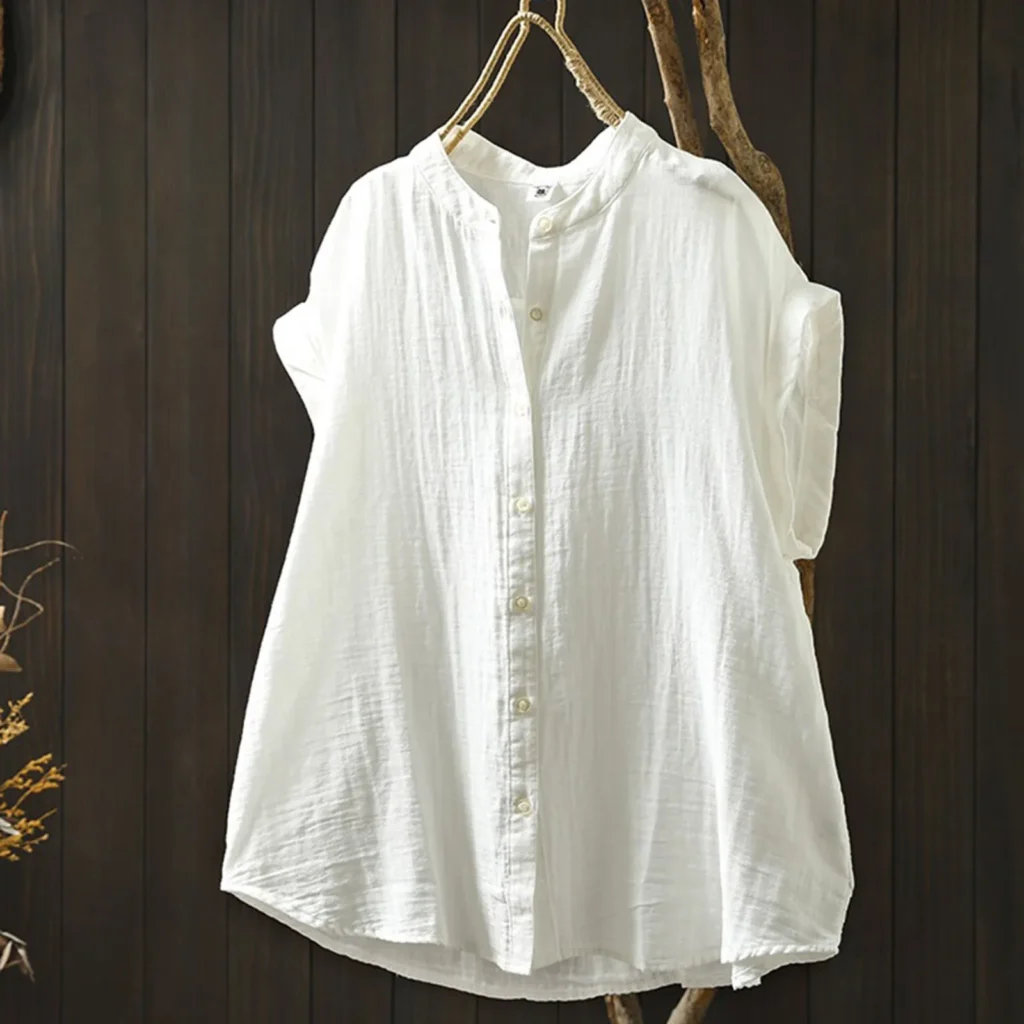
Selecting the correct pattern is often the difference between a frustrating experience and a successful first garment. In sewing patterns for linen tops, simplicity and structure play a defining role, especially for beginners working with natural fabrics. A well-matched pattern reduces complexity, minimizes fitting issues, and allows focus on technique rather than problem-solving during construction.
Beginner-Friendly Pattern Types
The most effective entry point into linen top sewing pattern work is through simple, forgiving silhouettes that prioritize comfort over tailoring complexity.
- Simple linen blouse pattern, offering clean lines and minimal construction steps
- Oversized linen shirt pattern, ideal for learning straight seams and relaxed fits
- Sleeveless linen top pattern, which reduces difficulty by eliminating sleeve insertion
- Button-up linen shirt pattern, a foundational garment that introduces structured finishing techniques
- Loose-fit linen blouse design, commonly used in handmade linen clothing patterns for its versatility and ease of adjustment
These styles are intentionally designed to tolerate small inaccuracies while still producing wearable results, making them ideal for early-stage learning.
Features of Easy Sewing Patterns
Not all patterns labeled “beginner-friendly” are truly simple in practice. High-quality easy sewing patterns for linen tops typically share several technical characteristics:
- Minimal seam complexity, reducing alignment challenges
- Loose or relaxed silhouettes that reduce fitting pressure
- Straight stitching lines that are easier to control on linen fabric
- Absence of advanced shaping elements such as darts, princess seams, or complex pleats
Patterns with these attributes are especially suited for beginner-friendly linen blouse sewing tutorials, where the focus is on skill-building rather than garment engineering.
Free vs Paid Patterns
Both free and paid patterns serve important roles in developing sewing skills, but they function differently depending on experience level and learning goals.
Free patterns:
- Suitable for experimentation and practice projects
- Often designed with simplicity in mind
- May lack detailed construction guidance or fitting instructions
- Ideal for testing DIY breathable linen tops for beginners without financial commitment
Paid patterns:
- Provide more refined construction steps and clearer illustrations
- Offer improved sizing consistency and grading accuracy
- Often include professional-level finishing techniques and support notes
- Particularly valuable for those aiming to master handmade linen clothing patterns at a higher standard
From an experienced sewing perspective, free patterns are useful for exploration, while paid patterns function as structured learning tools that reduce guesswork and improve long-term results.
Step-by-Step Guide: How to Sew Linen Tops?
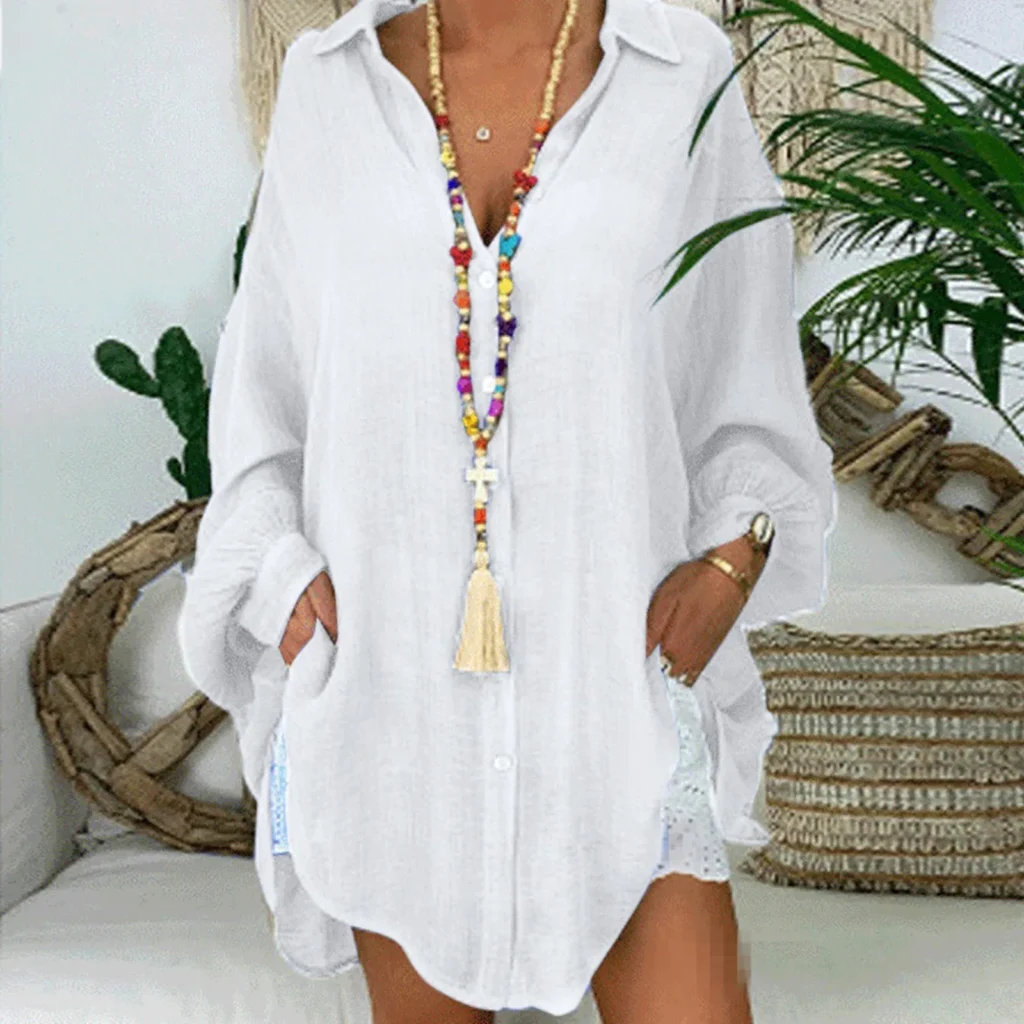
A successful how to sew linen tops from scratch process is less about speed and more about control, preparation, and understanding fabric behavior. Linen is a forgiving material in structure but demanding in execution, meaning each step directly influences the final quality of the garment. A methodical workflow ensures that even beginner sewing projects linen can achieve a clean, wearable finish.
Preparing the Fabric
Preparation is the stage that determines whether the sewing process will feel smooth or problematic later on. In professional sewing practice, linen is never cut without proper conditioning.
- Wash linen before cutting to eliminate potential shrinkage after the garment is completed
- Iron the fabric while it is still slightly damp to restore natural grain alignment and remove deep creases
- Allow the fabric to rest flat on a clean surface before pattern placement to stabilize its structure
This preparation stage is essential when working with lightweight fabric sewing tips, as linen tends to shift slightly during handling. Proper preparation ensures dimensional accuracy and prevents distortion in final garment shape.
Cutting the Pattern
Cutting is the phase where precision becomes critical, especially in basic garment sewing tutorials involving natural fabrics.
- Place fabric on a completely flat and stable surface to avoid tension distortion
- Align grain lines accurately, as improper alignment can affect drape and fit in relaxed-fit linen blouse designs
- Secure pattern pieces firmly using pins or weights to prevent movement during cutting
- Cut slowly and deliberately, following pattern edges without rushing or lifting fabric unnecessarily
In linen sewing, accuracy at this stage directly impacts seam alignment and overall garment balance.
Sewing the Main Structure
The assembly stage transforms flat fabric into a wearable form. For linen top sewing patterns, structure should always be built in a logical sequence.
- Begin with shoulder seams to establish the garment’s core frame
- Attach sleeves if included, ensuring even distribution and alignment
- Continue with side seams, maintaining consistent seam allowance throughout
- Frequently check alignment between seams to prevent cumulative distortion
Linen responds best to controlled stitching rather than rushed construction. Allowing the fabric to guide the process results in a more natural drape and professional finish, especially in simple linen blouse patterns or oversized silhouettes.
Finishing the Garment
Finishing is where a garment transitions from “handmade” to “professionally made.” Attention to detail at this stage significantly elevates the result.
- Hem edges cleanly using a narrow or double-fold finish for durability
- Complete neckline finishing using bias tape or facing, depending on pattern design
- Attach buttons or closures if required by the chosen button-up linen shirt pattern
- Press the entire garment thoroughly using an iron or steamer to refine seams and shape
A properly pressed linen top not only looks more structured but also aligns better with modern blouse sewing patterns, enhancing overall aesthetic value.
Beginner Sewing Tips for Linen Tops
Consistent results in DIY breathable linen tops for beginners depend on building strong foundational habits rather than relying on advanced techniques.
- Always pre-wash linen to avoid post-construction shrinkage
- Use sharp, appropriately sized needles to maintain fabric integrity
- Press seams after every major step to improve alignment and finish quality
- Sew at a controlled, steady pace rather than rushing through long seams
- Keep the first project simple to build confidence and reduce technical errors
These habits are consistently observed in successful long-term sewing practice and significantly improve the quality of easy sewing patterns for linen tops.
Common Mistakes to Avoid
Many beginner issues in easy linen top sewing pattern projects are not caused by complexity, but by overlooked fundamentals.
- Skipping Fabric Preparation: Failing to wash and iron linen before cutting often leads to unexpected shrinkage and misaligned seams after completion. This step is essential, not optional.
- Using Wrong Needles: Incorrect or dull needles can damage linen fibers, resulting in skipped stitches, uneven seams, or visible fabric pulling. Proper needle selection is a key technical detail in linen fabric sewing guides.
- Choosing Complex Patterns Too Early: Starting with fitted garments, structured jackets, or highly tailored designs increases difficulty unnecessarily. Early success is best achieved through oversized linen shirt patterns or loose silhouettes.
- Ignoring Seam Finishing: Unfinished raw edges in linen will continue to fray over time. Without proper seam finishing, even well-sewn garments lose durability and structural integrity quickly.
Styling Your Handmade Linen Tops
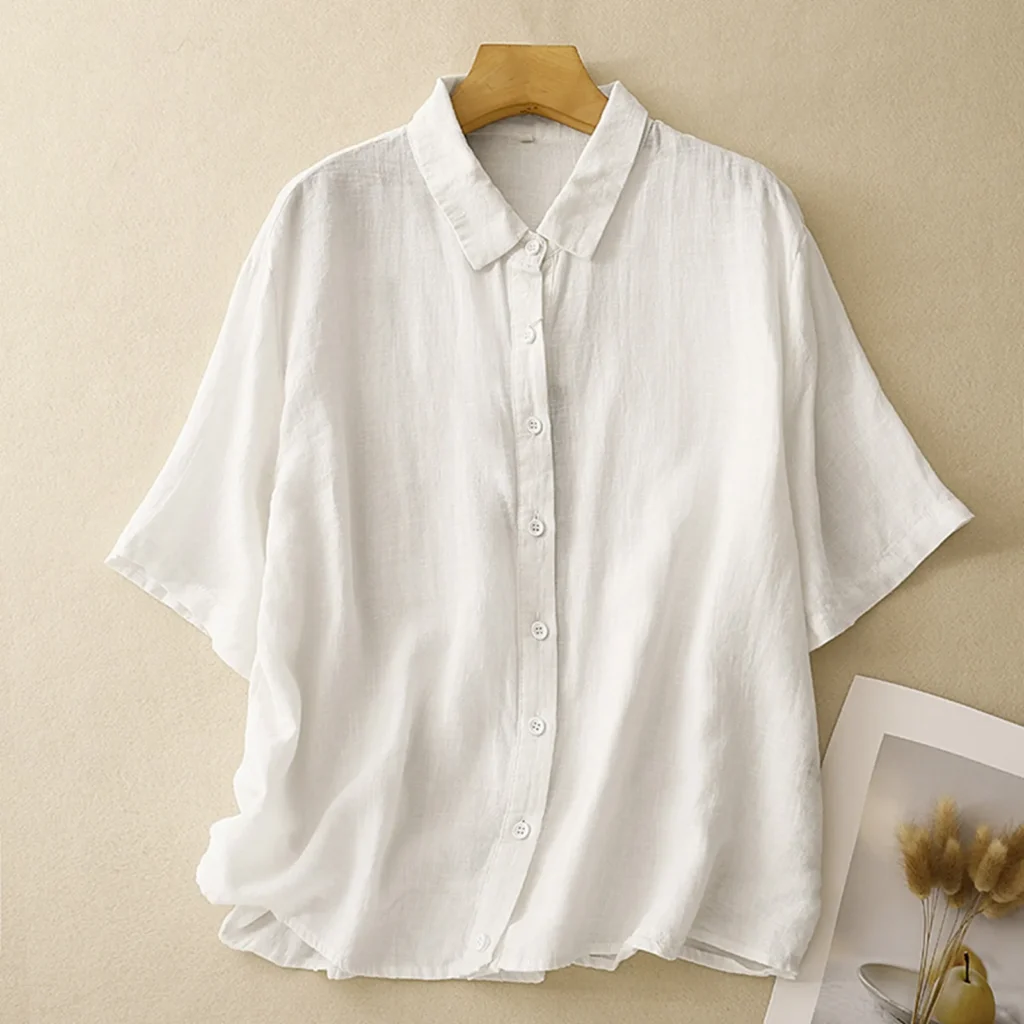
Once a modern blouse sewing pattern is completed, the garment transitions from a technical project into a functional wardrobe piece. Styling handmade linen tops is where fabric choice, silhouette, and personal aesthetic come together. Linen naturally carries a relaxed elegance, making it highly adaptable across casual, minimalist, and seasonal looks.
Casual Everyday Styling
Casual styling focuses on comfort and effortless pairing, where the natural texture of linen becomes the highlight rather than something to be corrected or hidden.
- Denim jeans remain the most versatile pairing, balancing the softness of linen with structure
- Cotton shorts create a lightweight summer combination suitable for warm climates
- Sneakers or sandals complete the look with practical comfort and simplicity
This approach works especially well with oversized linen shirt patterns or relaxed-fit tops, where ease of movement and breathability are key. The overall result is an understated, wearable outfit suited for daily routines without overthinking coordination.
Minimalist Wardrobe Styling
Minimalist styling emphasizes clarity, neutrality, and long-term wearability. Linen naturally aligns with this aesthetic due to its organic texture and muted visual presence.
- Neutral tones such as beige, white, and grey form the foundation of a cohesive palette
- Clean silhouettes reduce visual complexity and highlight fabric quality
- Loose-fit combinations enhance comfort while maintaining structured simplicity
This styling direction is often associated with handmade linen clothing patterns, where garments are designed to integrate seamlessly into capsule wardrobes. The focus is not on trend-driven elements but on timeless, repeatable outfit structures that remain relevant across seasons.
Summer Outfit Ideas
Linen performs exceptionally well in warm-weather styling due to its breathability and moisture-wicking properties. This makes it a core material in summer linen tops patterns.
- Pairing with wide-leg pants creates a balanced silhouette with strong airflow and visual harmony
- Light cardigans offer layering options for temperature shifts without adding heaviness
- Breathable accessories such as woven bags or natural fiber sandals complement the texture of linen
In summer styling, linen functions not only as clothing but as a comfort-based fabric system that adapts to heat while maintaining structure and elegance.
Why Sewing Linen Tops Is Worth It?
Creating personal linen clothing patterns goes beyond crafting garments—it represents a shift toward intentional clothing production. Each piece reflects both material understanding and design control.
- Custom fit clothing allows adjustments that ready-to-wear fashion cannot consistently provide
- Sustainable fashion choices reduce dependency on fast production cycles and synthetic materials
- Unique handmade style ensures individuality in every finished piece
- Long-lasting wardrobe pieces increase value over time due to linen’s durability
Unlike fast fashion garments that degrade quickly, linen naturally evolves. Its texture softens, and its character deepens with use, making each piece more comfortable and visually distinct over time.
FAQs About Sewing Linen Tops
A clear understanding of common concerns helps reduce hesitation when starting easy sewing patterns for linen tops, especially for beginners working with natural fabrics.
Is linen hard to sew for beginners?
Linen is not inherently difficult, but it requires awareness. With loose-fit linen blouse designs and basic tools, the learning curve becomes manageable. The key challenge lies more in handling fabric behavior—such as fraying and wrinkling—than in the sewing process itself.
What is the easiest linen top pattern?
The most beginner-friendly options are oversized silhouettes. An oversized linen shirt pattern or a sleeveless top design provides enough simplicity to focus on technique without dealing with complex shaping or fitting adjustments.
Do special tools need to be used for linen?
No specialized equipment is required. However, sharp needles and a reliable iron are essential. These two tools alone significantly improve stitch quality and finishing results when working with linen fabric sewing guides.
How can linen fraying be prevented?
Fraying is a natural characteristic of linen fibers. It can be controlled effectively using:
- Zigzag stitching along raw edges
- French seams for clean internal finishing
- Proper seam allowances and edge finishing techniques
These methods are standard in professional garment construction and are widely used in beginner-friendly linen blouse sewing tutorials.
Conclusion
Learning Sewing Patterns for Linen Tops is not about perfection—it’s about practice, patience, and understanding fabric behavior. Once Avelyn completed her first simple linen blouse, she realized that sewing wasn’t just a skill—it was a form of creative freedom. If you’re just starting, don’t aim for complexity. Choose easy sewing patterns for linen tops, focus on clean execution, and let your skills grow naturally. Every stitch brings you closer to building your own handmade wardrobe. And just like Avelyn discovered, the best part isn’t the finished garment—it’s the confidence you gain while making it.