Avelyn has always believed that what you wear should feel as good as it looks—especially when it comes to summer clothing. Over the years, she noticed how many people struggle with fabrics that trap heat, cling to the skin, or simply don’t last through more than one season. That’s where her interest in 100% linen tops began. As sustainable fashion becomes more popular, pure linen clothing is now seen everywhere—from minimalist wardrobes to vacation outfits and eco-friendly collections. But are they really worth the hype?
In this complete guide, Avelyn explores everything you need to know about 100% linen tops—from their benefits and drawbacks to styling tips, care instructions, and whether they truly deserve a place in your wardrobe. By the end, you’ll clearly understand why this breathable natural fabric is loved by so many, and whether it fits your lifestyle.
What Are 100% Linen Tops?
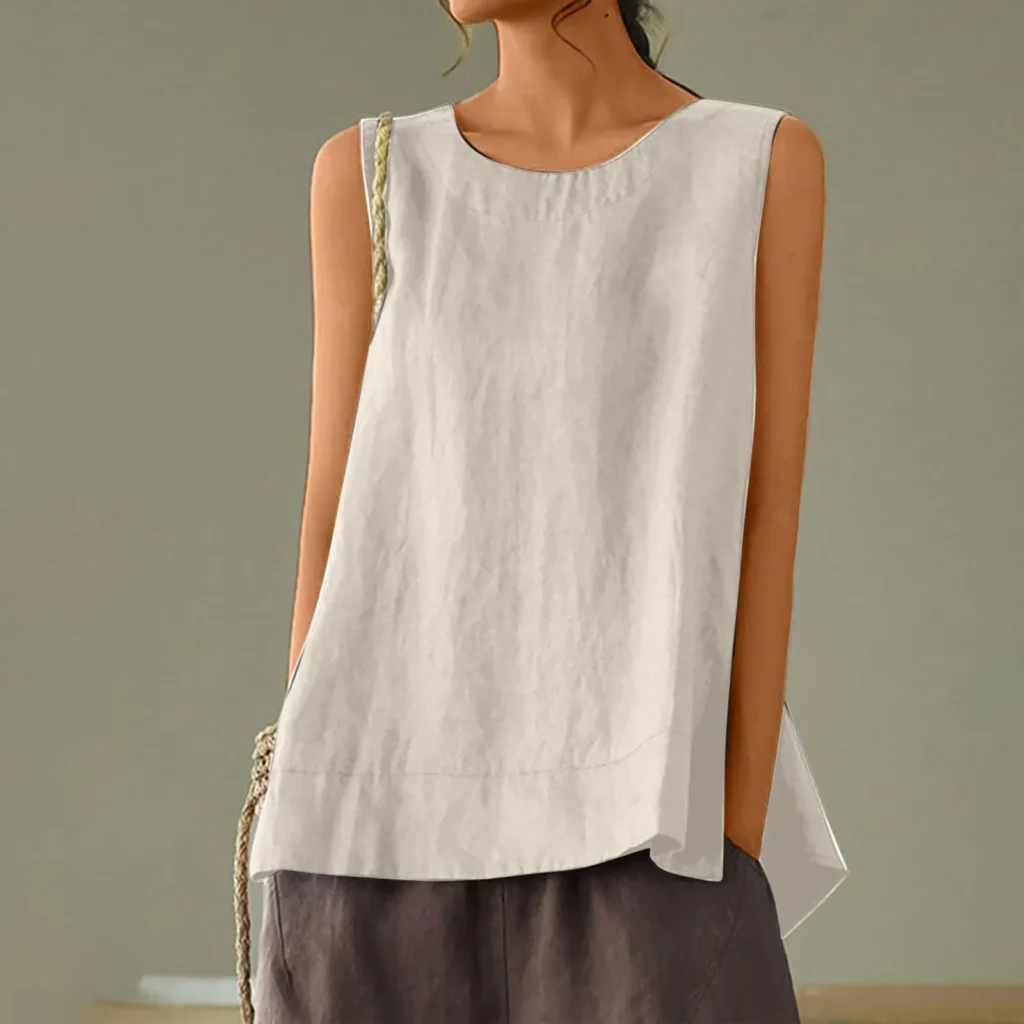
100% linen tops are garments made entirely from fibers of the flax plant, without any synthetic blends. This makes them one of the most natural forms of clothing available in modern fashion. Linen is produced by extracting fibers from flax stems, spinning them into yarn, and weaving them into fabric. The result is a material known for its:
- Natural texture
- Lightweight structure
- High breathability
- Eco-friendly production process
Unlike synthetic fabrics, pure linen clothing is biodegradable and has a much lower environmental impact, making it a key player in sustainable fashion materials.
100% Linen vs Linen Blends:
- 100% linen tops: Fully natural, highly breathable, more textured
- Linen blends: Mixed with cotton, polyester, or rayon for softness and wrinkle resistance
While blends are easier to maintain, many fashion enthusiasts prefer pure linen fabric clothing for its authenticity and natural performance.
Why 100% Linen Tops Are So Popular?
The rise of lightweight linen clothing is not a coincidence. It reflects a shift in consumer behavior toward comfort, sustainability, and timeless fashion.
Eco-Friendly Fashion Movement
People are becoming more aware of environmental impact. Linen is:
- Made from flax (requires less water than cotton)
- Naturally biodegradable
- Produced with low chemical use
Perfect for Hot Weather
In tropical and summer climates, breathable summer fabric is essential. Linen allows air to flow freely, helping regulate body temperature.
Minimalist Fashion Trend
Modern wardrobes are shifting toward:
- Neutral colors
- Simple silhouettes
- Timeless pieces
100% linen tops fit perfectly into this aesthetic.
Comfort Over Fast Fashion
Consumers now prioritize:
- Skin-friendly fabrics
- Relaxed fits
- Long-lasting quality
This is why linen has become a staple in timeless wardrobe basics.
Pros of 100% Linen Tops (Advantages)
Linen has long been regarded as one of the most refined natural fabrics in fashion. Beyond aesthetics, its performance and sustainability make it a staple in high-quality wardrobes.
Extremely Breathable Fabric
One of linen’s most defining characteristics is its exceptional breathability. The open, loose weave structure allows continuous airflow, helping the body stay cool even in intense heat. This makes 100% linen tops particularly suitable for:
- Hot summer outfits
- Tropical and humid climates
- Outdoor or travel wear
For this reason, linen is often considered one of the most reliable natural fabrics for warm-weather comfort, especially in regions with high humidity.
Moisture-Wicking & Fast Drying
Linen naturally absorbs moisture without clinging to the skin or creating a heavy, damp feeling. Instead of trapping sweat, it disperses moisture quickly, allowing faster evaporation.
- Enhanced comfort in hot, sticky weather
- Reduced sticky or clammy feeling during long wear
- Better airflow during physical activity or movement
Unlike synthetic materials, linen maintains a dry, airy sensation, even under prolonged exposure to heat.
Eco-Friendly & Sustainable Choice
Linen is widely recognized as one of the most sustainable textile options available today. Derived from flax plants, its production process has a relatively low environmental footprint. Sustainability advantages include:
- Minimal irrigation requirements compared to cotton
- Low dependency on chemical processing
- Fully biodegradable nature after disposal
For conscious consumers, linen represents a responsible balance between fashion and environmental impact.
Hypoallergenic & Skin-Friendly
Due to its natural composition, linen is often well-tolerated by sensitive skin types. The absence of synthetic additives reduces the risk of irritation, making it a preferred choice for everyday wear. Notable benefits:
- Gentle contact with the skin
- Reduced likelihood of allergic reactions
- Breathable structure that supports skin health
This makes linen especially suitable for those prioritizing comfort and skin safety in clothing choices.
Strong & Long-Lasting Natural Fabric
Despite its lightweight appearance, linen is one of the strongest natural fibers used in apparel. It is known for its durability and ability to improve with time. Over long-term use:
- Fabric becomes softer with each wash
- Maintains structural integrity for years
- Resists pilling better than many common textiles
This combination of strength and aging quality makes linen a practical long-term investment in wardrobe essentials.
Timeless Aesthetic Appeal
Linen carries a distinct visual identity that aligns with understated elegance. Its natural texture and relaxed drape create a look that remains relevant across fashion cycles. It is often associated with:
- Minimalist and clean styling
- Effortless, relaxed silhouettes
- Natural, breathable luxury aesthetics
Whether styled casually or in semi-formal settings, linen consistently delivers a refined yet effortless appearance.
Cons of 100% Linen Tops (Disadvantages)
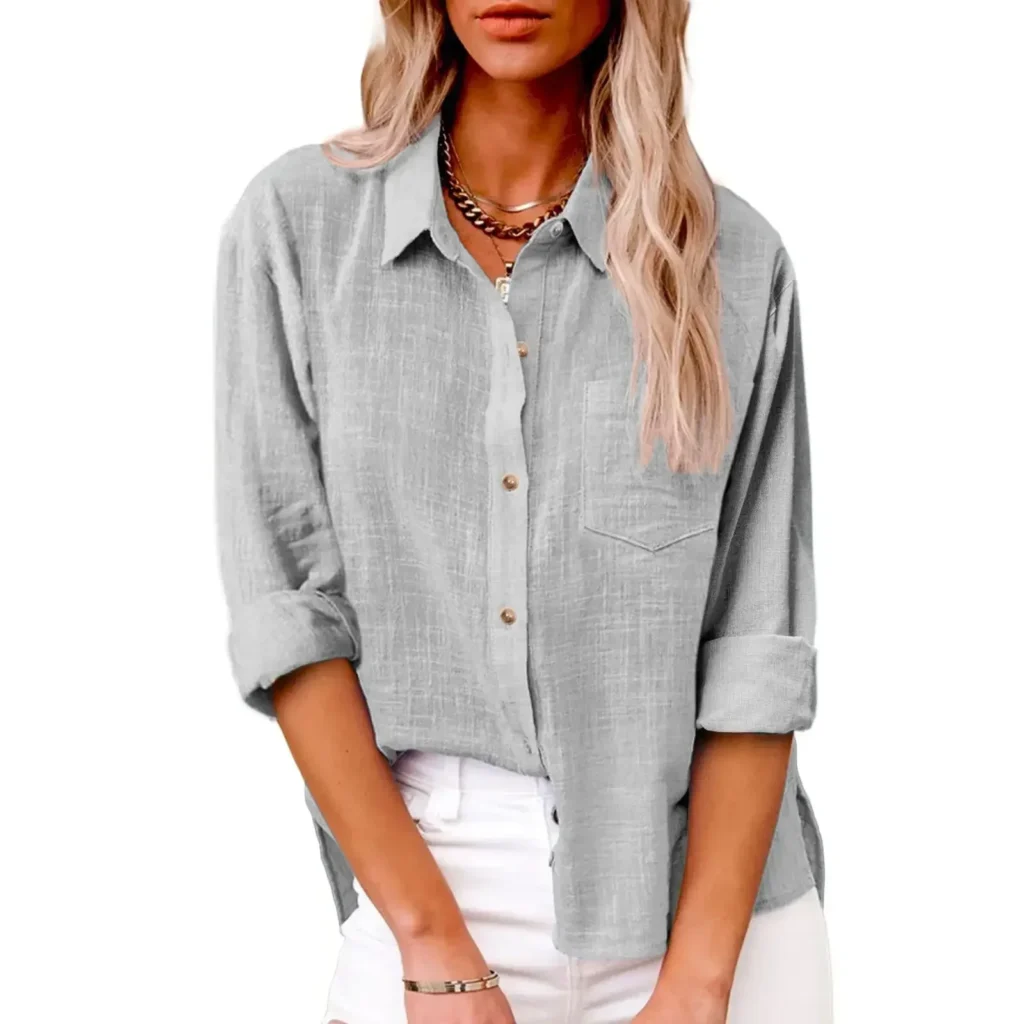
While linen offers many advantages, understanding its limitations helps set realistic expectations when incorporating it into a wardrobe.
Prone to Wrinkling
One of linen’s most recognized traits is its tendency to wrinkle easily due to its natural fiber structure. This can result in:
- Visible creases during wear
- A less structured appearance over time
- Need for frequent steaming or light ironing
However, in modern fashion, these wrinkles are often embraced as part of linen’s natural, relaxed character.
Slight Sheerness in Certain Weaves
Depending on thickness and weave density, some linen tops may appear slightly translucent, especially in lighter shades. Common situations include:
- White or pastel-colored garments
- Ultra-lightweight summer fabrics
- Loose or flowy designs requiring layering
Proper innerwear or strategic layering is often used to address this characteristic.
Higher Price Compared to Other Fabrics
Linen generally sits in a higher price category compared to cotton or synthetic alternatives. This is due to:
- More complex production processes
- Lower yield of flax compared to other fibers
- Positioning as a premium natural fabric
Despite the cost, its durability often offsets the initial investment over time.
Requires Mindful Care
While not overly difficult to maintain, linen benefits from proper handling to preserve its quality. Recommended care practices include:
- Washing in cold or lukewarm water
- Using mild, non-aggressive detergents
- Air drying instead of high-heat machine drying
Neglecting proper care may lead to shrinkage, texture changes, or reduced fabric longevity.
Initial Stiff Texture
New linen garments may feel slightly firm or less flexible at first wear. Over time, however:
- Fibers naturally soften with washing
- Fabric becomes more fluid and comfortable
- Overall wearability improves significantly
This evolution is one of linen’s unique long-term qualities.
100% Linen vs Linen Blends: Which Is Better?
Choosing between pure linen and blends depends on your needs.
| Feature | 100% Linen | Linen Blend |
|---|---|---|
| Breathability | Excellent | Good |
| Wrinkle resistance | Low | Higher |
| Softness | Medium (improves over time) | Softer initially |
| Durability | High | Medium to high |
| Price | Higher | Lower |
When to choose 100% linen tops:
- You want natural, eco-friendly clothing
- You prioritize breathability
- You prefer minimalist style
When to choose blends:
- You want easier maintenance
- You dislike wrinkles
- You prefer softer fabric from day one
How to Style 100% Linen Tops?
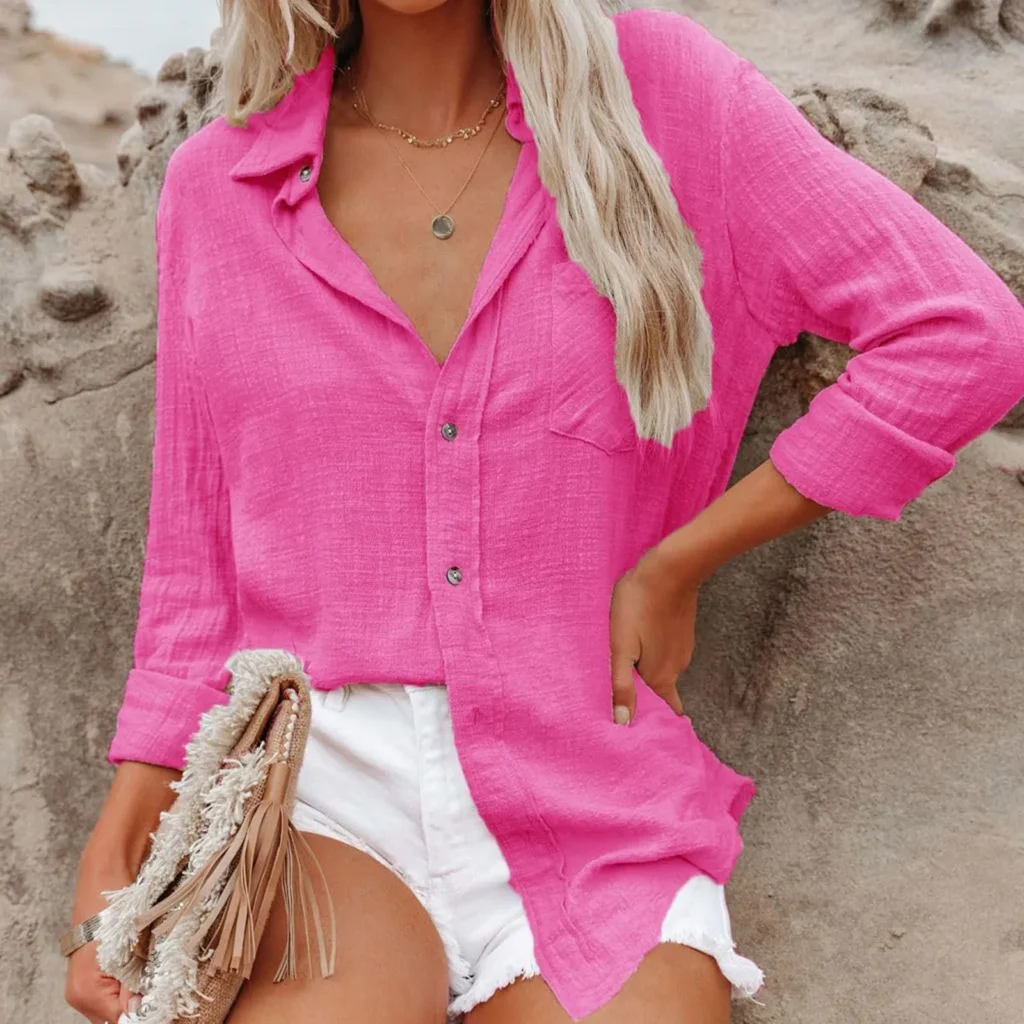
Linen tops offer a rare balance between comfort and understated elegance, making them highly adaptable across different style directions. With the right pairing, they can shift from relaxed casual wear to refined smart outfits with ease.
Casual Everyday Looks
For day-to-day wear, 100% linen tops work best when kept simple and functional. The natural texture of linen already adds visual interest, so styling should remain effortless and grounded. Common combinations include:
- Denim jeans for a balanced casual contrast
- Cotton shorts for lightweight summer comfort
- Flat sandals or minimalist sneakers for ease of movement
This approach focuses on practicality while still maintaining a clean, relaxed aesthetic suitable for daily routines, errands, or informal meetups.
Minimalist Wardrobe Styling
Linen naturally aligns with minimalist fashion due to its muted texture and organic feel. Styling in this direction often emphasizes tone consistency and simplicity in silhouette. Preferred palette choices include:
- White and off-white tones
- Beige and sand shades
- Soft grey and earthy neutrals
The result is a cohesive, timeless wardrobe aesthetic that avoids visual clutter and prioritizes quiet sophistication. This styling approach is often used in capsule wardrobes where versatility is key.
Office-Appropriate Outfits
When styled correctly, linen can transition into professional environments without losing its relaxed identity. The key lies in structure and layering. Effective styling methods include:
- Crisp, structured linen shirts instead of oversized fits
- Layering with tailored blazers for added formality
- Pairing with straight or tailored trousers to balance texture
This combination creates a smart-casual office look that feels breathable yet still polished, especially suitable for warmer climates or creative workspaces.
Vacation & Beach Outfits
Linen is particularly associated with travel wardrobes due to its lightweight and breathable nature. It performs best in warm, coastal environments where comfort is a priority. Typical vacation styling includes:
- Loose, flowy linen tops for airflow
- Wide-leg trousers or linen shorts for relaxed movement
- Straw hats, woven bags, and simple sandals as accessories
This styling direction emphasizes ease, comfort, and natural aesthetics, making linen a staple for resort wear and beach destinations.
How to Care for 100% Linen Tops?
Proper maintenance plays a key role in preserving linen’s texture, structure, and longevity. While linen is durable, its natural fibers respond best to gentle handling.
Washing Tips
To maintain fabric integrity over time:
- Wash in cold or lukewarm water
- Use gentle cycle or hand wash for delicate pieces
- Avoid bleach or harsh chemical detergents
These practices help protect the fibers from weakening and preserve the natural softness of the fabric.
Drying Tips
Drying method significantly impacts linen’s lifespan and appearance:
- Air drying is preferred to maintain structure
- Avoid high-heat tumble drying to prevent shrinkage
- Hang or lay flat to reduce distortion
Natural drying also helps retain the fabric’s breathable quality.
Ironing & Wrinkle Management
Wrinkling is an inherent property of linen rather than a defect. Management depends on preference and styling intent:
- Steaming is the most effective method for a smooth finish
- Light ironing can be used for sharper looks
- Alternatively, natural wrinkles can be embraced for a relaxed aesthetic
Modern styling often accepts linen’s texture as part of its identity.
Storage Tips
Proper storage helps maintain shape and fabric quality over time:
- Fold loosely or hang to avoid deep creases
- Do not overcrowd storage spaces
- Keep in dry, well-ventilated areas
This prevents unnecessary fabric stress and maintains long-term usability.
Are 100% Linen Tops Worth It?
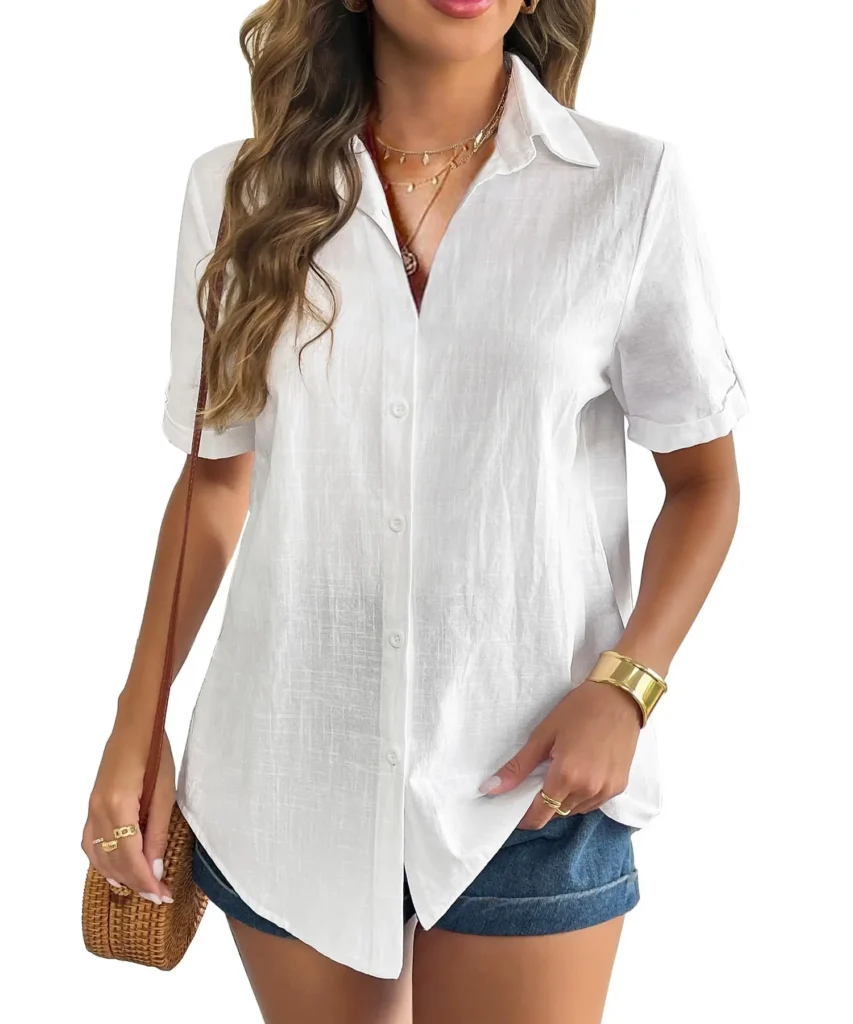
The value of linen tops becomes clearer when evaluated through lifestyle needs and long-term usage rather than short-term convenience. They are generally considered a strong investment when:
- Living in warm or humid climates where breathability matters
- Prioritizing natural, airy fabrics for daily comfort
- Building a sustainable or eco-conscious wardrobe
- Favoring minimal, timeless fashion over trend-driven pieces
However, they may feel less suitable when:
- Low-maintenance, wrinkle-free clothing is preferred
- Ultra-soft synthetic textures are more comfortable personally
- Structured, crisp appearance is required at all times without upkeep
In essence, 100% linen tops deliver value through longevity, comfort, and aesthetic durability rather than convenience. Their strength lies in long-term wearability and timeless style consistency.
Conclusion
Avelyn often says fashion should feel like a second skin—light, natural, and effortless. After exploring 100% linen tops, it’s easy to understand why they keep growing in popularity, thanks to their breathable natural fabric, eco-friendly benefits, and timeless, relaxed aesthetic. Yes, they wrinkle and require some care, but in return they offer unmatched comfort, durability, and elegance. For anyone building a wardrobe focused on both style and sustainability, 100% linen tops are absolutely worth it—and Avelyn realizes that sometimes the most natural choice is also the most beautiful one.