Avelyn stood in front of her wardrobe one warm summer morning, running her fingers across different fabrics—cotton tees, structured linen shirts, and soft knitwear. Yet nothing felt quite right for the heat outside. She wanted something breathable like linen, but softer, more flexible, and easier to move in. That was when she discovered Knitted Linen Tops, a category she had seen trending but never truly understood.
At first, the term sounded contradictory, but as Avelyn explored deeper, she realized that knitted linen tops explained a new direction in modern fashion—combining natural breathability, softness, and minimalist style in one effortless fabric. This guide will break down everything you need to know about Knitted Linen Tops, from what they are and how they’re made to why they’re different from traditional linen and how to style them for everyday wear.
What Are Knitted Linen Tops?
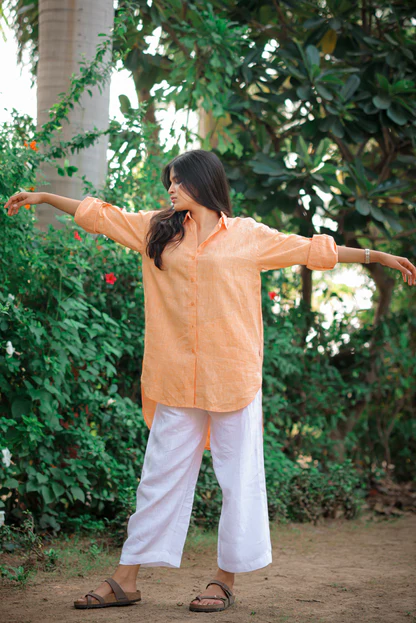
Knitted linen tops are garments made from linen fibers that are constructed using a knitting technique rather than traditional weaving. This difference in structure completely transforms the feel and behavior of the fabric. Unlike woven linen shirts—which are typically crisp, structured, and slightly rigid—linen knit tops are softer, more flexible, and naturally drapey. They maintain the signature breathability of linen while introducing the stretch and comfort of knitwear.
- Made from natural linen fibers or linen blends
- Constructed using knitting techniques
- Softer texture than woven linen
- Lightweight and breathable structure
- Casual yet elevated aesthetic
In simple terms, what are knitted linen tops? They are the modern evolution of linen clothing designed for comfort-first lifestyles.
How Are Knitted Linen Tops Made?
Understanding knitted linen tops requires looking beyond the surface and into the structure of the fabric itself. The appeal of knitted linen clothing comes from how natural flax fibers are transformed through a completely different construction method compared to traditional woven linen, resulting in a fabric that feels softer, more flexible, and significantly more wearable in everyday life.
Spinning Linen Fibers
Linen begins with flax plants, one of the oldest and most sustainable textile crops. The fibers are carefully extracted from the plant stems, then processed and spun into fine yarn. This yarn is the foundation of all linen knit fabric, and its quality directly influences softness, durability, and breathability in the final garment.
Knitting vs Weaving
The key distinction lies in the construction technique, which fundamentally changes how the fabric behaves.
- Woven linen: created by interlacing vertical and horizontal threads in a structured grid. This results in a crisp, defined fabric often associated with classic shirts and tailoring.
- Knitted linen: produced by looping yarns together in interconnected rows, forming a flexible and elastic structure.
This knitted construction gives knitted linen tops for women their signature qualities:
- Natural stretch without synthetic dependency
- A softer, more relaxed surface texture
- Improved drape that follows body movement
- Enhanced comfort for extended wear
Fabric Blending in Modern Production
In contemporary fashion, pure linen is often blended with other fibers to improve performance and wearability. This is especially common in linen knit tops designed for daily use.
- Cotton: increases softness and reduces surface roughness
- Viscose: enhances fluidity and drape
- Elastane: introduces controlled stretch for better fit retention
These blends maintain the natural identity of linen while addressing its traditional limitations such as stiffness or excessive wrinkling.
Final Garment Construction
Once the knitted fabric is produced, it is carefully cut and assembled into wearable silhouettes. Designers typically favor relaxed and minimal shapes to highlight the fabric’s natural flow.
- Relaxed-fit tops
- Oversized knit tees
- Lightweight summer sweaters
- Minimalist tank tops
The result is a category of clothing that aligns closely with modern lifestyle needs—versatile, breathable, and visually understated.
Difference Between Woven Linen and Knitted Linen
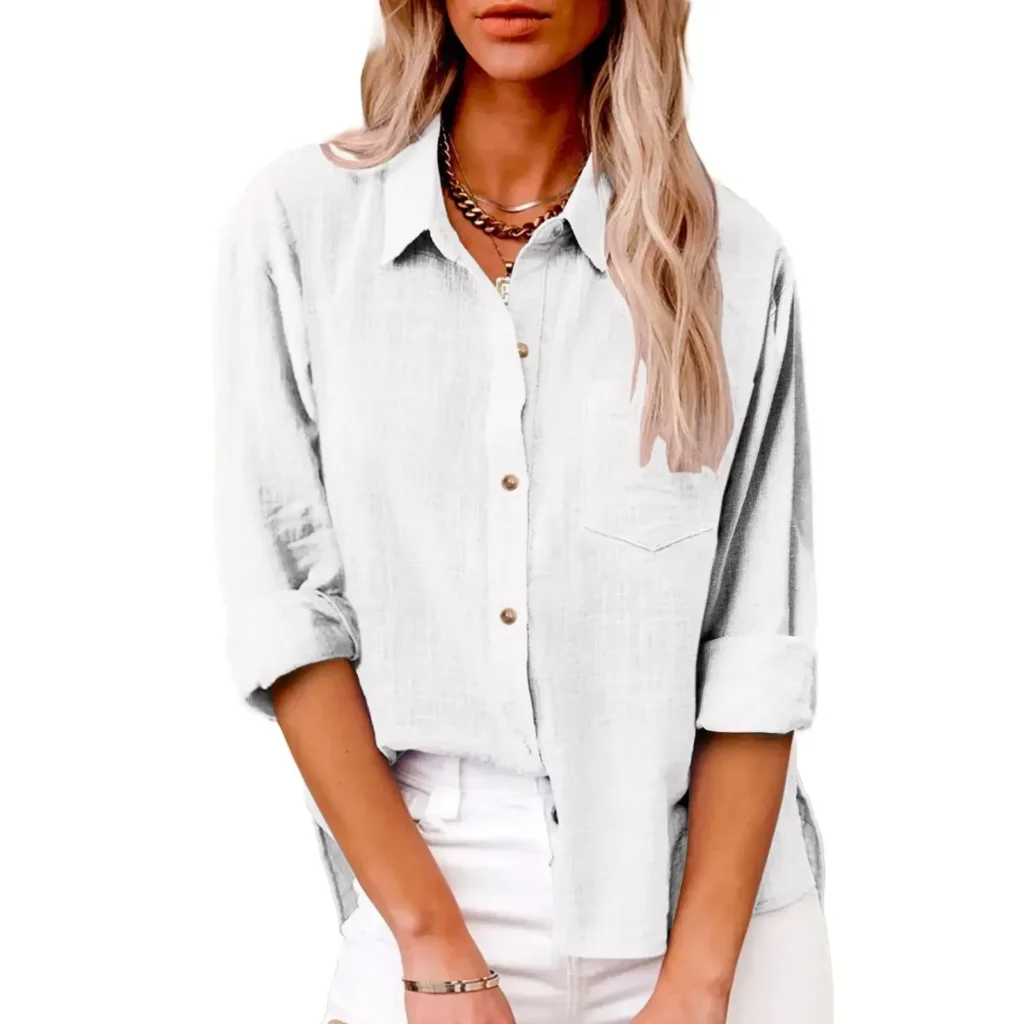
A clear understanding of linen knit tops explained requires comparing knitted linen with its woven counterpart. While both originate from the same natural fiber, their performance and aesthetic outcomes differ significantly.
Woven Linen:
- Structured and sharply defined texture
- More formal and tailored appearance
- Limited flexibility due to rigid weave
- Wrinkles form prominently and visibly
Knitted Linen:
- Soft, fluid, and adaptable structure
- Relaxed and modern silhouette
- Gentle natural stretch for comfort
- Wrinkles appear softer and less pronounced
When evaluating quality, the question “is knitted linen good quality?” depends on context. Woven linen remains superior for formal tailoring and structured garments. However, knitted linen excels in comfort-driven applications, where ease of movement, softness, and everyday wearability are prioritized.
Key Properties of Knitted Linen Fabric
The rising popularity of knitted linen tops is closely tied to the inherent performance characteristics of the fabric itself. These properties make it especially relevant in modern, climate-conscious wardrobes.
Breathability
Linen is widely recognized as one of the most breathable natural fibers available. The knitted structure preserves airflow between yarn loops, allowing heat and moisture to dissipate efficiently. This makes it particularly suitable for warm and humid environments.
Soft Texture
Compared to traditional woven linen, knitted versions undergo less tension during construction. As a result, the fabric feels:
- Less abrasive against the skin
- More broken-in from first wear
- Comfortable for long durations without irritation
Lightweight Feel
One of the defining advantages of lightweight knitted linen tops is their effortless wearability. The fabric sits lightly on the body, making it ideal for layering in transitional weather or wearing alone in high heat conditions.
Natural Stretch and Movement
Unlike woven linen, the looped structure of knitwear introduces a subtle, mechanical stretch. This enhances mobility without relying heavily on synthetic fibers, allowing garments to move naturally with the body while maintaining shape integrity.
Eco-Friendly Material Profile
Linen itself is already considered one of the most sustainable textile fibers due to its low water consumption and biodegradable nature. When used in knitted form, especially in eco friendly linen knit fabric, it aligns strongly with conscious fashion values focused on durability, reduced environmental impact, and long-term wear.
Benefits of Knitted Linen Tops
The growing popularity of knitted linen clothing is not accidental—it reflects a clear shift toward comfort-driven, breathable, and versatile fashion. Unlike traditional structured garments, knitted linen tops are designed to support everyday movement while maintaining a refined, natural aesthetic that fits seamlessly into modern wardrobes.
Ideal Choice for Hot Weather Comfort
One of the most defining advantages of breathable summer knit tops lies in their ability to regulate temperature naturally. The combination of linen’s inherent airflow and the open structure of knit construction allows heat to dissipate efficiently, keeping the body cool even in humid conditions. This makes them particularly suitable for tropical climates, travel destinations, and long outdoor days where comfort becomes essential.
Effortless Everyday Comfort
Beyond seasonal wear, linen knit tops for women are valued for their adaptability in daily routines. The soft, flexible structure allows the fabric to move naturally with the body, reducing restriction and enhancing comfort throughout the day. This makes them highly practical for:
- Work-from-home environments where comfort and appearance both matter
- Casual daily errands requiring ease of movement
- Travel situations where lightweight, low-maintenance clothing is preferred
The result is a garment that feels consistently wearable without sacrificing visual appeal.
Minimalist Aesthetic Appeal
A defining reason behind the rise of minimalist linen knitwear style is its ability to deliver understated elegance. These pieces typically feature neutral tones, clean silhouettes, and subtle textures that align with modern minimalist fashion principles. Instead of relying on complex design elements, the fabric itself becomes the focal point, creating a quiet but intentional visual identity that feels timeless rather than trend-dependent.
High Versatility Across Outfits
Few wardrobe pieces offer the same level of adaptability as knitted linen tops for women. Their neutral and relaxed structure allows them to transition effortlessly between different styling contexts:
- Casual outfits paired with denim or shorts
- Vacation-ready ensembles with flowy skirts or relaxed trousers
- Smart-casual looks when combined with tailored pieces or structured accessories
This versatility makes them a foundational item in capsule wardrobes, where every piece must serve multiple purposes without losing relevance.
Sustainable Fashion Alignment
Sustainability has become a defining factor in modern textile choices, and eco friendly linen knit fabric fits strongly within this movement. Linen is derived from flax, a plant that requires significantly less water and fewer chemical inputs compared to many conventional fibers. When combined with durable knit construction, the result is a long-lasting garment that supports reduced consumption cycles and encourages more responsible fashion practices.
Are Knitted Linen Tops Better Than Regular Linen Tops?
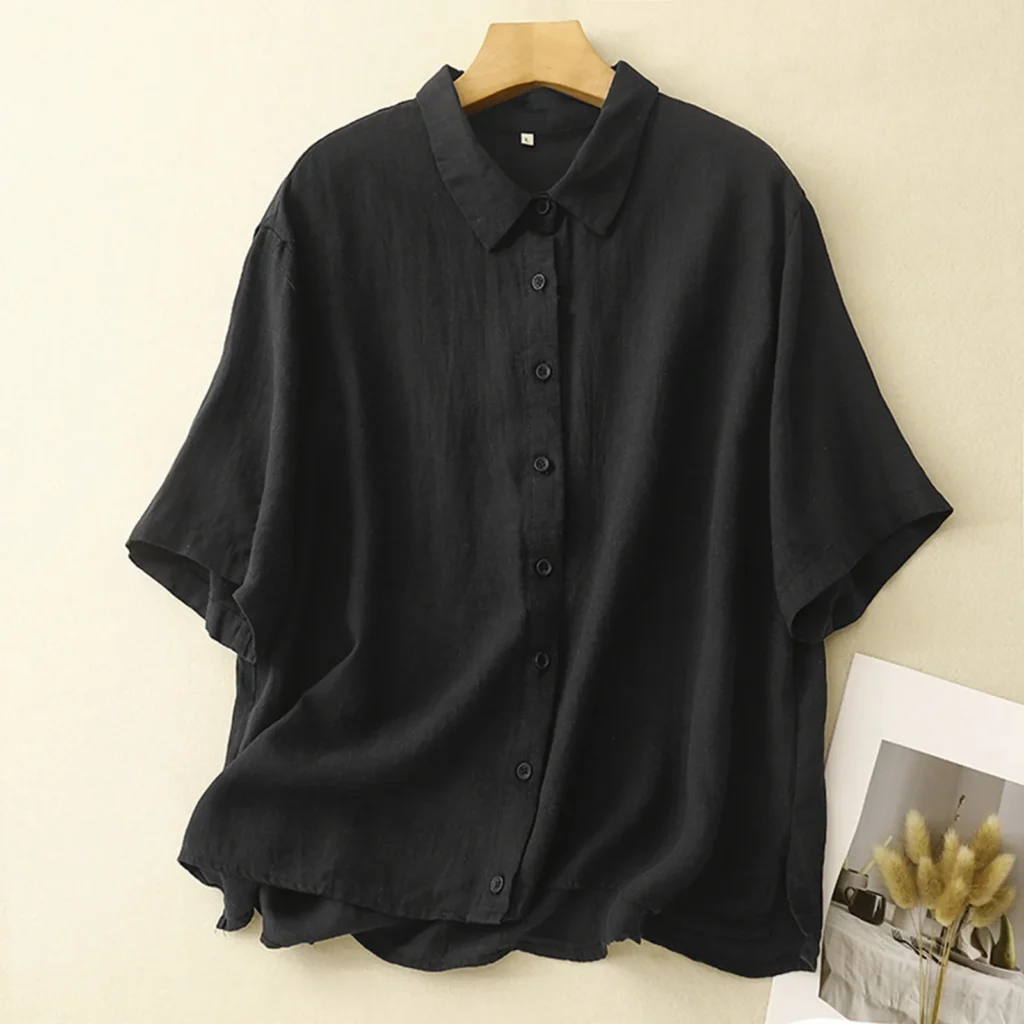
Understanding the comparison between linen knitwear vs linen shirts is essential to making informed wardrobe choices. Rather than positioning one as superior, it is more accurate to view them as two distinct categories designed for different needs and contexts.
Knitted Linen Strengths:
- Superior softness and next-to-skin comfort
- Greater flexibility and natural stretch
- Ideal for casual, relaxed, and travel-oriented wear
- Better adaptability for movement-heavy lifestyles
Woven Linen Strengths:
- Structured and tailored appearance
- More formal and polished visual impact
- Cleaner, crisper silhouette definition
- Preferred for professional or dressy settings
How to Style Knitted Linen Tops?
Styling plays a key role in unlocking the full potential of knitted linen tops for women, as their simplicity allows for highly adaptable outfit combinations. The fabric’s natural drape and minimal structure make it suitable for both understated and elevated looks.
Casual Everyday Styling
For daily wear, the focus remains on comfort and simplicity. Common combinations include:
- Straight-leg jeans paired with neutral-toned tops
- Linen shorts for warm-weather ease
- Classic sneakers or flat sandals for a relaxed finish
This approach creates an effortless aesthetic that feels practical yet visually balanced.
Minimalist Summer Outfits
In warm seasons, minimalist linen knitwear style becomes especially relevant. Outfits often rely on tonal harmony and clean silhouettes:
- Beige knitted linen top paired with white wide-leg trousers
- Neutral tank tops combined with structured bottoms
- Monochrome layering for a cohesive visual flow
The emphasis remains on simplicity, texture, and breathable comfort.
Vacation and Resort Styling
For travel or leisure settings, vacation outfits linen knit tops naturally align with relaxed environments:
- Flowy skirts for soft movement and airiness
- Linen shorts for heat-friendly practicality
- Straw accessories to enhance seasonal aesthetics
These combinations prioritize comfort while maintaining a refined vacation-ready appearance.
Elevated Casual Looks
Knitted linen tops can also be styled for more polished casual settings by introducing contrast elements:
- Gold or minimal metallic jewelry for subtle refinement
- Structured handbags to balance soft fabric drape
- Lightweight layering pieces such as blazers or overshirts
This styling direction shifts the look from purely relaxed to intentionally curated, without compromising comfort.
Best Seasons to Wear Knitted Linen Tops
Knitted linen tops are designed for versatility, but they perform best in warm and transitional climates due to their breathable, lightweight structure.
- Summer: This is the strongest season for knitted linen tops. The open knit structure allows continuous airflow, while linen fibers naturally absorb moisture and release heat. The result is a cool, dry, and comfortable wearing experience even in humid weather. This is why they are widely considered ideal breathable summer knit tops.
- Spring: A transitional season where temperature fluctuates. Knitted linen tops work well as standalone pieces in warmer daytime conditions or layered under light outerwear such as cardigans or thin jackets. Their softness and flexibility make them easy to adapt without feeling bulky.
- Autumn (warm regions): In climates where autumn remains mild, knitted linen continues to be practical. The fabric offers light insulation while maintaining breathability, making it suitable for layering without overheating.
Care Tips for Knitted Linen Tops
Proper care directly affects the lifespan, texture, and appearance of knitted linen garments.
- Washing: Always prefer cold water to preserve fiber strength. Hand wash or use a gentle cycle with mild detergent. Avoid bleach or strong chemicals as they weaken natural linen fibers.
- Drying: Air drying is essential. Lay flat or hang loosely to maintain shape. Tumble drying should be avoided as heat can shrink or distort knitted structure.
- Ironing: Linen naturally carries texture, so heavy ironing is unnecessary. Steam ironing is preferred to smooth wrinkles while keeping the fabric’s natural character intact.
- Storage: Store by folding loosely or hanging without compression. Tight storage can create permanent creases and affect the drape over time.
Who Should Wear Knitted Linen Tops?
Knitted linen tops are not trend-specific pieces—they fit into functional, lifestyle-driven wardrobes.
- Minimalist fashion enthusiasts who prefer clean, effortless silhouettes
- Eco-conscious consumers who value natural and sustainable fabrics
- People living in hot or humid climates needing breathable clothing
- Frequent travelers who prioritize lightweight, low-maintenance outfits
- Capsule wardrobe users aiming for versatile, multi-use pieces
- Everyday wearers who prefer comfort without sacrificing style
In short, they suit anyone who values practicality, simplicity, and long-term usability in clothing choices.
Where to Buy Knitted Linen Tops?
Choosing the right source affects both quality and durability.
- Sustainable fashion brands: Focus on responsibly sourced flax, ethical production, and transparency in manufacturing. These often deliver better long-term value.
- Affordable retailers: Suitable for trend exploration or casual everyday wear. Quality may vary, so fabric composition should be checked carefully.
- Premium labels: Higher price point but usually offer superior stitching, better fabric blends, and improved garment structure.
What to look for when buying:
- Fabric composition (pure linen vs blends)
- Knit density (affects durability and drape)
- Fit consistency and how the fabric falls on the body
Conclusion
Knitted linen tops are worth considering if the priority is comfort, breathability, and effortless styling. They combine the natural benefits of linen with the flexibility of knit construction, making them more wearable than traditional structured linen in everyday contexts. Instead of serving as a statement piece, they function as a foundational wardrobe item—quiet, versatile, and highly adaptable across seasons and outfits. Their value lies in long-term usability rather than trend appeal. Avelyn’s experience reflects this transition clearly. What initially seemed like a simple fabric choice gradually became a core part of daily dressing—replacing complexity with ease, and styling effort with natural comfort that feels almost unnoticeable when worn.