Avelyn has always believed that great style starts with understanding—not trends, not rules, but clarity. Standing in front of her wardrobe on a warm summer morning, she reaches for linen again. Breathable, natural, effortlessly elegant. Yet one question keeps coming up, not just for her but for countless women building thoughtful wardrobes: what exactly is the difference between linen tops and tunics?
At first glance, they seem interchangeable. Both are made from lightweight linen fabric, both promise comfort, and both work beautifully in warm weather. But once you look closer, linen tops and tunics serve different purposes, flatter differently, and belong to distinct styling categories. This guide is designed to remove the confusion—clearly, practically, and with real-life wearability in mind.
Whether you’re refining a minimalist wardrobe, shopping for summer essentials, or simply trying to dress more intentionally, understanding Linen Tops and Tunics will help you make better, longer-lasting style choices.
What Are Linen Tops?

Before comparing linen tops with tunics, it’s essential to clearly understand what defines a linen top, both in terms of structure and real-world wearability. While the term may sound simple, linen tops play a foundational role in many everyday, minimalist, and summer wardrobes.
Definition of Linen Tops
Linen tops are upper-body garments typically designed to sit at or just around the hip, offering a balanced and familiar silhouette. They are crafted from pure linen or linen blend fabrics, valued for their breathability, lightweight feel, and naturally relaxed structure.
Unlike linen tunics, which extend downward and prioritize coverage, linen tops are designed to function as traditional tops. Their proportions make them easy to integrate into a wide range of outfits without requiring specific styling techniques or body-balancing considerations.
From a wardrobe-building perspective, linen tops often act as core staples. They are easy to pair, easy to layer, and adaptable enough to transition between casual, smart-casual, and even office-appropriate looks depending on cut and styling.
Common Characteristics of Linen Tops
Although linen tops vary in design, most share a set of defining features that distinguish them from longer silhouettes like tunics:
- Hip-length or waist-length cuts that align with classic top proportions
- Straight-cut, boxy, or relaxed-fit silhouettes that prioritize comfort without appearing oversized
- Lightweight linen or soft-washed linen fabrics that enhance breathability
- Designed primarily for warm weather and transitional seasons, such as spring and early fall
One notable characteristic of linen tops is their natural tendency to wrinkle. Rather than being a flaw, this texture is widely embraced as part of linen’s appeal. The subtle creasing contributes to a casual, lived-in aesthetic that reinforces the effortless nature of linen clothing.
Popular Styles of Linen Tops
One reason linen tops remain consistently popular is their versatility across different styles and occasions. Common variations include:
- Sleeveless linen tops ideal for hot weather and layering
- Short-sleeve linen tops suited for everyday wear
- Long-sleeve linen tops for cooler mornings and transitional seasons
- Button-up linen tops that work well for smart-casual and workwear settings
- Collared linen tops offering a more polished, structured appearance
- Minimalist linen tops in neutral or muted tones for timeless styling
These styles make linen tops particularly well-suited for capsule wardrobes, where garments are expected to perform across multiple outfits and occasions with minimal effort.
When to Choose Linen Tops?
Linen tops are especially well-suited for:
- Casual everyday outfits that prioritize comfort and breathability
- Office-appropriate or smart-casual environments, depending on cut and color
- Minimalist and sustainable wardrobes focused on quality over quantity
- Layered outfits, paired with blazers, cardigans, or lightweight jackets
For those who prefer a clean, structured look that remains relaxed and easy to style, linen tops are often the more practical and versatile choice compared to longer linen tunics.
At their core, linen tops are about balance—between comfort and structure, simplicity and versatility. Their proportions, fabric qualities, and adaptability make them a reliable foundation for everyday dressing, especially in warm or transitional climates
What Are Linen Tunics?
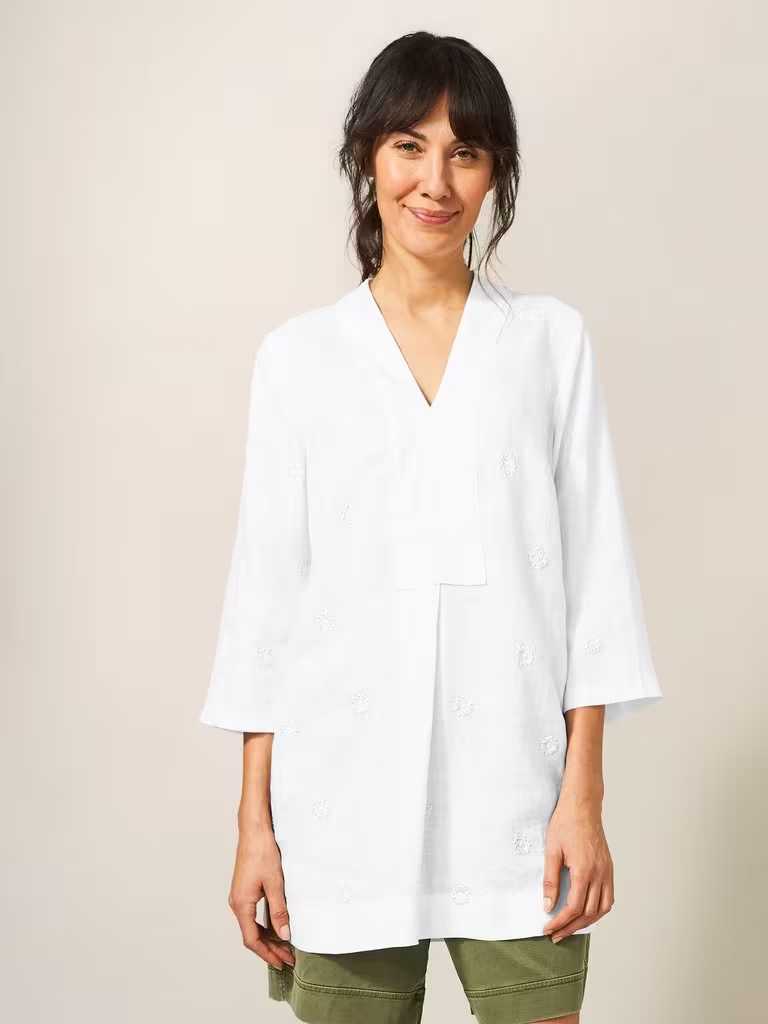
To clearly distinguish linen tunics from standard linen tops, it’s important to look beyond basic construction and focus on proportion, movement, and styling intent. While the two share similar fabrics, linen tunics are designed with a different purpose in mind—one that emphasizes ease, coverage, and fluidity.
Definition of Linen Tunics
Linen tunics are longer upper-body garments that extend past the hips, commonly reaching mid-thigh or even knee length. Although their construction may resemble that of a top, their length, drape, and overall silhouette place them firmly in a separate category.
The primary function of a linen tunic is not structure, but flow and coverage. When crafted from breathable linen fabric, tunics offer a relaxed yet refined appearance, balancing comfort with understated elegance. This makes them particularly appealing for everyday wear where freedom of movement and wearability are priorities.
Key Features of Linen Tunics
Despite the variety of designs available, most linen tunics share several defining characteristics:
- Thigh-length or knee-length cuts that provide additional coverage
- Loose, flowy, or oversized silhouettes that prioritize comfort
- Lightweight and breathable linen fabrics, ideal for warm weather
- Designed for ease of movement, rather than structured shaping
These features make linen tunics especially practical for warm climates, travel wardrobes, and slower-paced lifestyles, where clothing needs to feel as good as it looks throughout the day.
Common Linen Tunic Styles
One of the strengths of linen tunics lies in their adaptability. Popular styles include:
- Long linen tunics for elongated, relaxed silhouettes
- Oversized linen tunics that emphasize comfort and modern ease
- A-line linen tunics that flatter a wide range of body types
- High-low linen tunics for visual interest and movement
- Split-neck linen tunics that add subtle detail without excess
- Button-front linen tunics that allow adjustable styling and layering
These variations enable linen tunics to work across different body shapes and personal style preferences, without compromising on comfort.
When Linen Tunics Work Best?
Linen tunics are particularly effective in situations where simplicity and versatility are essential:
- Everyday relaxed wear that requires minimal effort
- Travel-friendly outfits that adapt easily to different settings
- Vacation and resort looks suited to warm, casual environments
- Loungewear and casual styling that still feels intentional
For those who value ease, breathability, and relaxed elegance, linen tunics naturally become wardrobe staples.
Linen tunics stand out for their unrestricted fit, breathable fabric, and adaptability. They are not designed to replace traditional tops, but to serve a different role—one rooted in comfort, movement, and effortless style. In wardrobes where practicality and ease are essential, linen tunics offer a reliable and timeless solution.
Linen Tops vs Linen Tunics: Key Differences
Although linen tops and linen tunics share the same breathable fabric and relaxed aesthetic, they are designed to serve different functional and styling purposes. Understanding their differences goes beyond basic length—it involves proportion, silhouette, versatility, and how each piece fits into real-life wardrobes.
Length and Coverage
The most immediate and visible distinction between linen tops and linen tunics is length, which directly affects both coverage and styling options.
- Linen tops typically end at the hip, maintaining a classic top silhouette that feels familiar and easy to style.
- Linen tunics extend beyond the hips, often reaching mid-thigh or knee length, offering more coverage and fluid movement.
This difference in length doesn’t just change how the garment looks—it influences how it interacts with other pieces in an outfit and how proportions are balanced overall.
Fit and Silhouette
Fit and silhouette further separate these two categories. Linen tops often feature:
- Straight-cut or boxy shapes that feel relaxed yet controlled
- Light structure that provides subtle definition
- A more tailored appearance, especially in button-up or collared styles
Linen tunics, by contrast, are designed with comfort as the primary focus:
- Loose, relaxed fits that allow for airflow and ease of movement
- Flowing silhouettes that drape rather than hold shape
- Comfort-first construction with minimal shaping
Choosing between these silhouettes can dramatically change the overall tone of an outfit—from polished and balanced to soft and effortless.
Styling Flexibility
Styling flexibility is another key area where linen tops and tunics diverge.
- Linen tops pair effortlessly with a wide range of bottoms, including linen pants, jeans, skirts, and shorts. Their proportions make them easy to mix and match across multiple outfits.
- Linen tunics are best styled with slimmer silhouettes, such as leggings or tailored trousers, or worn in layered looks that emphasize length rather than contrast.
Tunics are less about variety in pairing and more about creating a cohesive, elongated silhouette, which is why they often feel more intentional and outfit-specific.
Occasion and Function
Functionally, each garment type aligns with different settings and needs.
- Linen tops transition well from casual daytime wear to workwear and smart-casual environments, depending on cut and styling.
- Linen tunics naturally lean toward casual, travel-friendly, and loungewear contexts, where comfort and ease take priority over structure.
Both linen tops and tunics are valuable wardrobe pieces, but understanding when to choose each allows for more intuitive and purposeful styling.
The distinction between linen tops and linen tunics is rooted in proportion, function, and styling intent rather than fabric alone. Recognizing these differences helps create outfits that feel balanced, appropriate, and effortlessly put together—regardless of personal style or lifestyle.
How to Style Linen Tops?
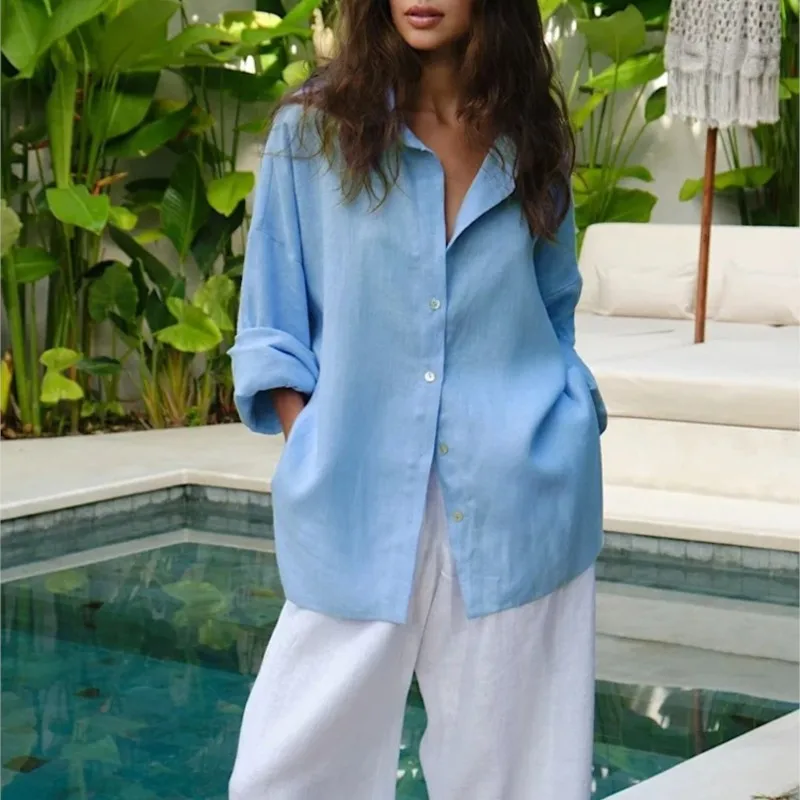
Styling linen tops effectively is less about following trends and more about understanding balance, proportion, and fabric behavior. Thanks to their breathable texture and relaxed structure, linen tops can adapt to a wide range of outfits—from casual everyday looks to more polished, work-appropriate styling.
Casual Linen Top Outfits
For everyday wear, linen tops offer exceptional flexibility while maintaining a natural, effortless feel.
- Pair a neutral linen top with matching linen pants for a breathable, cohesive summer outfit that feels light and intentional.
- Combine a relaxed-fit linen top with denim shorts to create an easy warm-weather look that balances comfort with casual polish.
- Choose earthy tones or muted colors such as beige, soft white, olive, or sand to achieve a timeless aesthetic that works across seasons.
These combinations highlight linen’s natural texture without requiring excessive styling or accessories.
Work and Smart-Casual Styling
With the right cut and color, linen tops can transition smoothly into professional or smart-casual settings.
- Opt for button-up linen tops or structured silhouettes in neutral shades for a cleaner appearance.
- Layer linen tops with a lightweight blazer or tailored jacket to add definition and contrast.
- Choose tailored trousers or structured skirts to balance linen’s relaxed texture and maintain a polished overall look.
This approach allows linen tops to function as practical, office-appropriate options during warmer months.
Minimalist and Capsule Wardrobe Ideas
In minimalist or capsule wardrobes, linen tops play a key foundational role.
- Stick to a cohesive color palette, including white, beige, black, and muted earth tones.
- Prioritize high-quality linen fabrics and timeless, seasonless cuts that won’t feel dated.
- Rotate the same linen tops across multiple outfits by changing bottoms, layers, or accessories.
This strategy results in a wardrobe that feels intentional, cohesive, and versatile, rather than repetitive or trend-driven.
Linen tops are most effective when styled with simplicity and purpose. By focusing on proportion, quality, and neutral tones, they can anchor a wide range of outfits while maintaining a relaxed yet refined appearance suitable for everyday wear and beyond.
How to Style Linen Tunics?
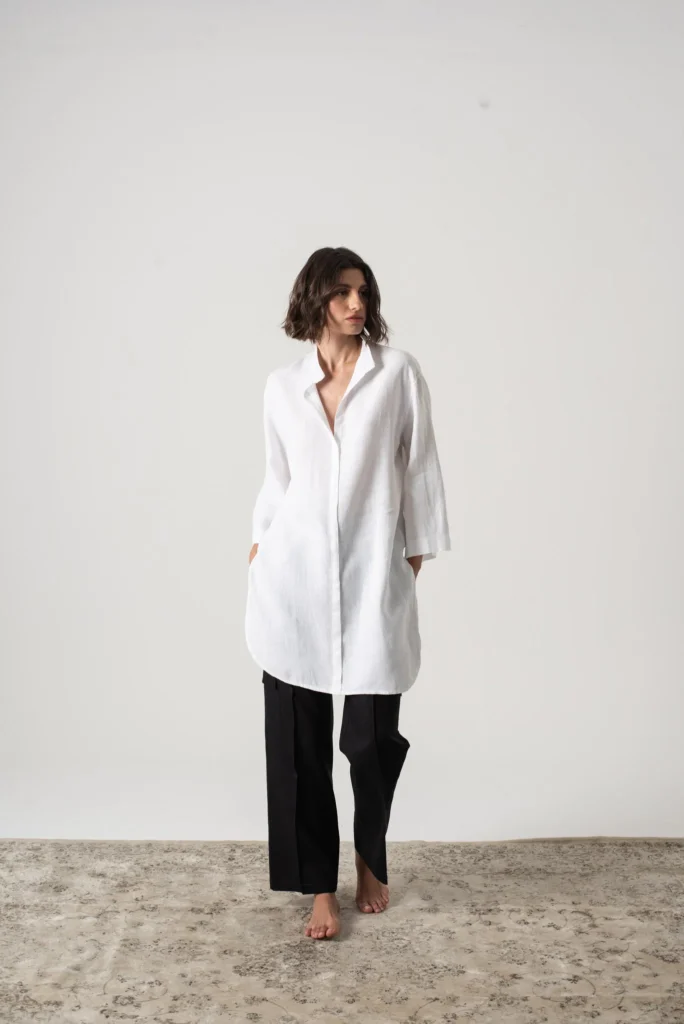
Styling linen tunics effectively starts with understanding their length, drape, and relaxed construction. Unlike standard tops, linen tunics are designed to create fluid silhouettes, making proportion and balance the key elements of successful styling.
Everyday and Relaxed Looks
For everyday wear, linen tunics naturally lend themselves to comfortable, effortless outfits that still feel intentional.
- Pair a loose linen tunic with leggings to balance volume while maintaining comfort and ease of movement.
- Wear a long linen tunic over slim or straight-cut trousers to create a clean, elongated silhouette.
These combinations highlight the tunic’s length and drape without overwhelming the outfit or distorting proportions.
Travel and Vacation Styling
Linen tunics are especially well-suited for travel and vacation wardrobes.
- Lightweight linen tunics pack easily and remain breathable throughout long days.
- Ideal for beach destinations, resort wear, and warm climates, where airflow and comfort are essential.
- Linen tunics can double as beach cover-ups, daytime outfits, or relaxed evening wear, depending on accessories and footwear.
This level of versatility makes linen tunics a reliable choice for travel-friendly and minimalist wardrobes.
Layering Linen Tunics
In transitional seasons, layering allows linen tunics to adapt beyond warm-weather wear.
- Add a belt to subtly define the waist and adjust the silhouette.
- Layer with cardigans, vests, or lightweight outerwear to introduce texture and dimension.
- Use scarves or simple accessories to add visual interest without disrupting the tunic’s natural flow.
Thoughtful layering transforms linen tunics from simple everyday pieces into more refined, seasonally appropriate outfits. Linen tunics work best when styled with intention and restraint. By focusing on proportion, layering, and fabric flow, they offer a versatile foundation for relaxed, travel-ready, and transitional outfits that prioritize comfort without sacrificing style.
Choosing Between Linen Tops and Tunics
Choosing between linen tops and linen tunics is less about following fashion rules and more about understanding how each garment functions in real life. Fit, lifestyle, and climate all play a role in determining which option will feel both practical and flattering over time.
Based on Body Type
Both linen tops and tunics can be flattering when selected with intention rather than trend in mind.
- Linen tops work especially well for creating balanced proportions and a more structured overall look, particularly when paired with tailored bottoms.
- Linen tunics help elongate the body visually and provide additional coverage, making them appealing for those who prefer softer silhouettes or relaxed fits.
The deciding factor is not size, but fit and drape—how the linen fabric falls, moves, and interacts with individual body lines.
Based on Lifestyle and Occasion
Lifestyle considerations often have a greater impact than body type alone.
- For wardrobes that require polished versatility, linen tops are the more adaptable choice, easily transitioning between casual, smart-casual, and work settings.
- When comfort, movement, and ease are the priority, linen tunics offer a more forgiving and relaxed option.
Choosing with daily routines and real-world needs in mind ensures a wardrobe that feels functional rather than forced.
Based on Climate and Season
Climate also plays a key role in determining the better option.
- In warm weather, lightweight linen tops keep outfits breathable while maintaining a clean silhouette.
- Linen tunics provide increased airflow along with additional sun coverage, making them practical for long days outdoors.
Both styles perform well in summer wardrobes, but each offers distinct advantages depending on environment and wear conditions.
Selecting between linen tops and tunics comes down to intention and context. When fit, lifestyle, and climate are considered together, the right choice becomes clear—resulting in outfits that feel comfortable, appropriate, and effortlessly well put together.
Fabric, Fit, and Care Considerations
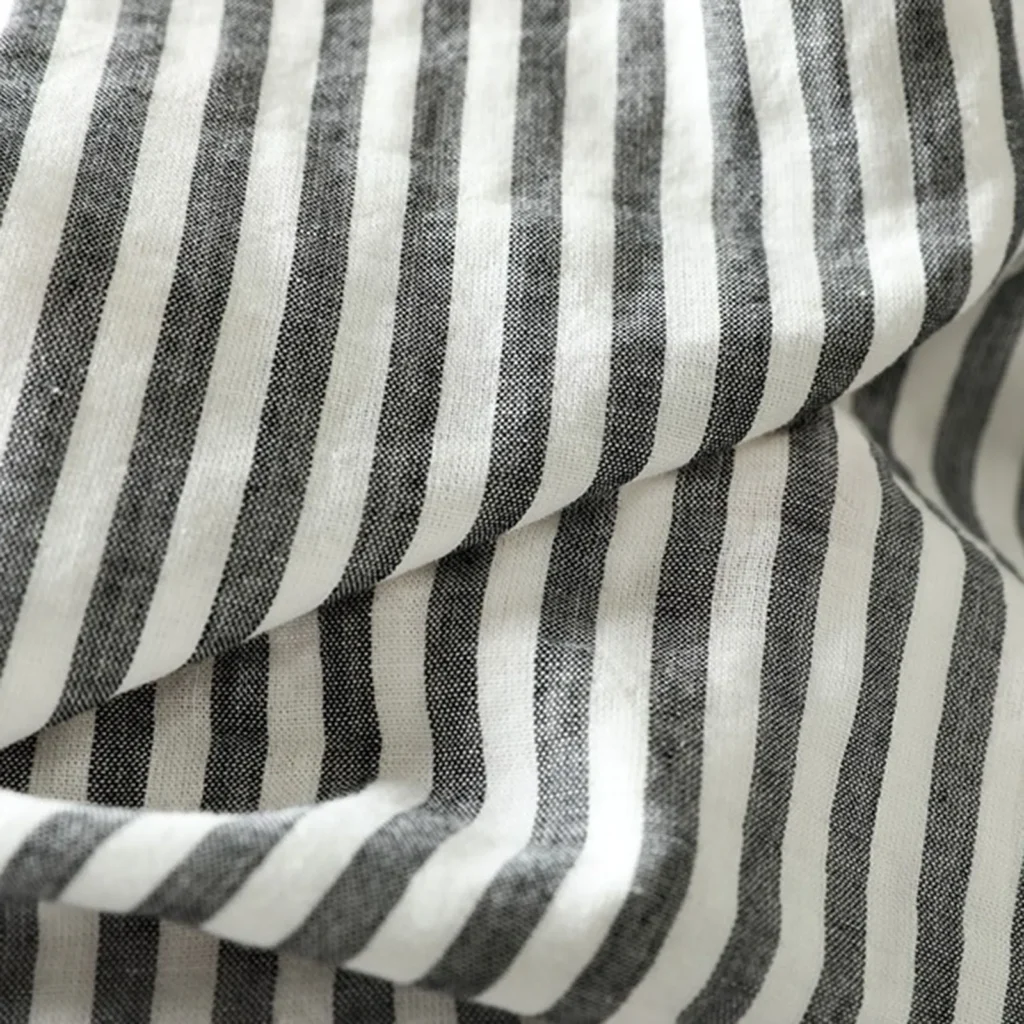
Understanding fabric quality, fit, and proper care is essential when investing in linen tops and tunics. These factors directly influence comfort, durability, and how well linen garments perform over time—especially in everyday and warm-weather wardrobes.
Linen Fabric Types
Not all linen fabrics are the same, and the type chosen can significantly affect wearability.
- 100% linen tops and tunics provide maximum breathability and airflow, making them ideal for hot climates and summer wear. The fabric’s natural structure allows heat to escape, enhancing comfort throughout the day.
- Linen blend fabrics, often combined with cotton or viscose, help reduce excessive wrinkling while adding softness and flexibility. These blends are well-suited for those seeking easier care without sacrificing linen’s natural feel.
- Organic linen supports more sustainable fashion choices, as it is produced with fewer chemicals and less environmental impact.
Selecting the right fabric type ensures linen garments meet both lifestyle and climate needs.
Wrinkling and Care
Wrinkling is a natural characteristic of linen and should be viewed as part of its appeal rather than a flaw.
- Steaming rather than ironing helps relax the fibers without flattening their natural texture.
- Embracing linen’s soft creases and relaxed finish enhances casual and effortless styling.
- Proper care, including gentle washing and air drying, significantly extends the lifespan of linen tops and tunics.
When cared for correctly, linen becomes softer and more comfortable with each wear.
Linen Tops and Tunics in Sustainable Fashion
Linen stands out as one of the most environmentally responsible natural fabrics available.
- It requires less water than cotton during cultivation.
- Linen is biodegradable, durable, and long-lasting, reducing the need for frequent replacement.
- Its longevity and versatility make it ideal for slow fashion and minimalist wardrobes.
Investing in well-made linen tops and tunics supports a more thoughtful approach to fashion—one that aligns long-term style with sustainability.
Choosing quality linen, understanding its natural behavior, and caring for it properly ensures that linen tops and tunics remain reliable wardrobe staples. With the right approach, linen delivers comfort, durability, and sustainability without compromising on style.
FAQs about Linen Tops And Tunics
These frequently asked questions address some of the most common points of confusion when choosing between linen tops and linen tunics. Clarifying these details helps make more informed and confident wardrobe decisions.
Are linen tunics just longer linen tops?
No. While linen tops and tunics may share similar fabrics and basic construction, linen tunics are defined by more than length alone. Tunics differ in silhouette, drape, and overall styling intent. They are designed to offer greater coverage, a looser fit, and a more relaxed visual flow, whereas linen tops maintain traditional proportions suited for structured outfits.
Can linen tunics be worn to work?
Yes, in certain settings. Linen tunics can be office-appropriate when styled thoughtfully—paired with tailored trousers, neutral color palettes, and minimal accessories. However, not all tunics suit professional environments. More structured designs with clean lines tend to work better than oversized or highly relaxed styles.
Which is more versatile: linen tops or linen tunics?
In general, linen tops offer greater versatility across a wider range of settings. Their proportions make them easier to style for casual, smart-casual, and workwear looks. Linen tunics, while versatile within casual and travel wardrobes, are more specialized in terms of styling and occasion.
Do linen tops and tunics wrinkle easily?
Yes. Wrinkling is a natural characteristic of linen and part of what gives the fabric its relaxed, lived-in appeal. Rather than viewing wrinkles as a drawback, they are often embraced as an element of effortless style. Proper care and steaming can help manage creasing while preserving linen’s texture.
Conclusion
Avelyn often says that a good wardrobe doesn’t start with buying more—it starts with understanding better. Knowing the difference between Linen Tops and Tunics transforms the way you dress, shop, and style yourself. Linen tops bring structure and versatility, while linen tunics offer comfort and effortless elegance. Neither is better; they simply serve different roles.
When you choose with intention—considering fit, lifestyle, and how you actually live—linen becomes more than just a summer fabric. It becomes a foundation. And for Avelyn, that clarity is what effortless style is really about.